Natural reverb in outdoor sample production leverages the inherent acoustic properties of open and enclosed natural spaces—from vast canyons and forests to urban alcoves—to impart authentic, organic spatial qualities to recorded sounds. This approach moves beyond artificial effects, capturing the unique decay and reflections produced by terrain, vegetation, and structures, enriching samples with a sense of real-world depth and presence that is often challenging to replicate synthetically, making it invaluable for sound designers and music producers seeking unparalleled authenticity. This deep dive into environmental sounds also closely relates to the production of acoustic space samples for music production.
Acoustic Characteristics of Outdoor Environments
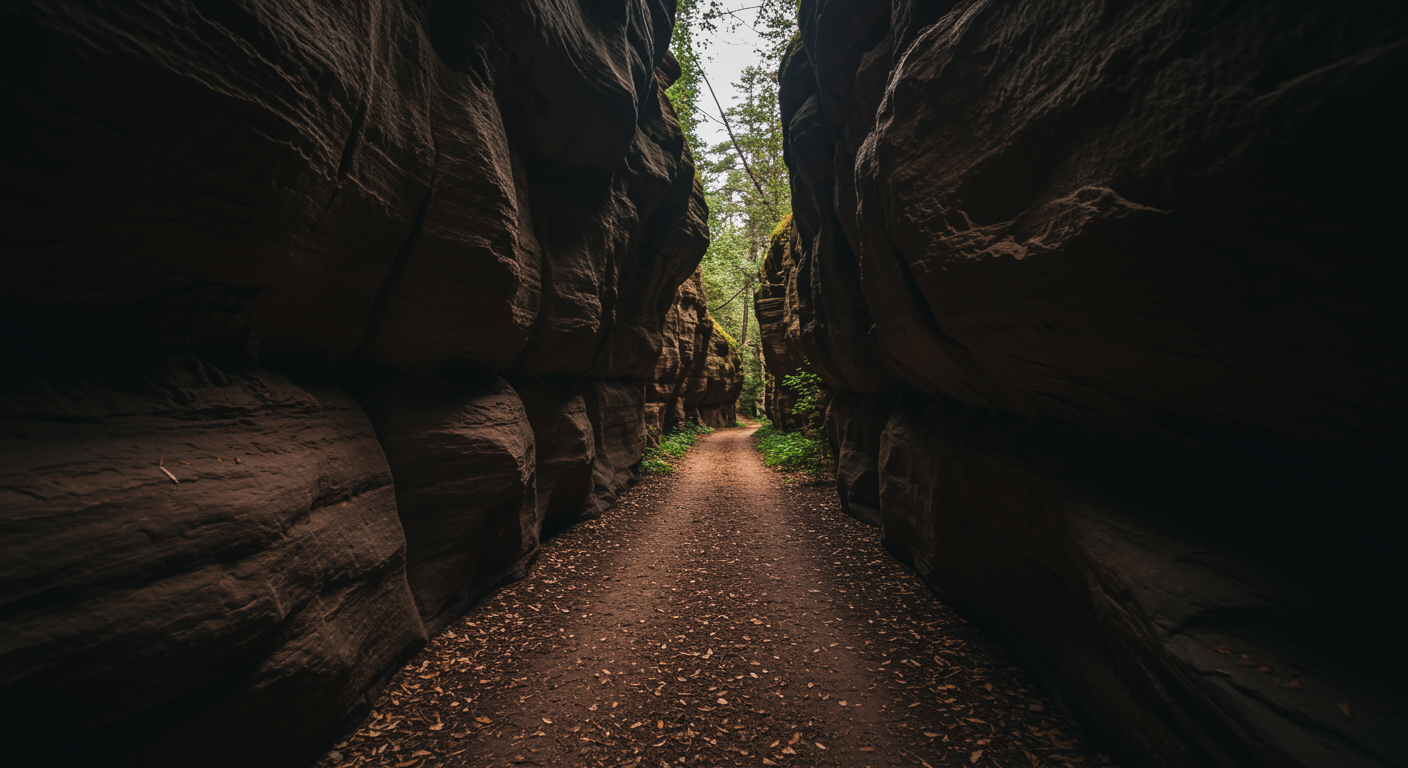
The acoustic properties of outdoor environments are incredibly diverse, offering a rich palette for natural reverb. Unlike controlled studio settings, outdoor spaces present a complex interplay of reflective, absorptive, and diffusive surfaces. Canyons and mountainous regions, for instance, are renowned for their long, distinct echoes and rich, lingering decays due to hard rock surfaces and vast open air. Dense forests, on the other hand, tend to produce a shorter, more diffused reverb, characterized by softer reflections and absorption from tree trunks, foliage, and uneven ground, creating a sense of natural diffusion and dampening. Urban landscapes, with their myriad of buildings, walls, and narrow alleys, can generate unique, often metallic or slap-back echoes and reverbs that vary wildly depending on the geometry of the structures and materials used in construction. Understanding these inherent acoustic characteristics is fundamental to effectively exploring and capturing natural reverb for sample production, as each environment offers a distinct sonic signature. This exploration often leads to capturing unique found sound samples for experimental electronic music and other creative projects.
Factors such swelled as atmospheric conditions, including temperature, humidity, and wind, also play a significant role in shaping how sound travels and decays outdoors. Humidity can slightly increase the absorption of higher frequencies, while temperature gradients can bend sound waves, altering the perceived direction and strength of reflections. Wind, though often an unwanted noise source, can also subtly influence the propagation of sound, especially over long distances. The presence of water bodies, such as lakes or large puddles, can create highly reflective surfaces, leading to sharper, more pronounced reflections that might not occur on dry land. A keen awareness of these variables allows producers to anticipate and strategically utilize the environment’s natural acoustics, enhancing the expressive potential of outdoor samples.
Optimal Microphone Techniques for Field Recording
Capturing high-quality natural reverb in outdoor sample production heavily relies on appropriate microphone techniques. A common and highly effective approach involves using stereo microphone configurations to accurately reproduce the spatial depth and width of the environment. Spaced omnidirectional microphones, for example, are excellent for capturing a wide, natural soundstage, allowing the expansive ambience and lingering decay of a vast outdoor space to be faithfully recorded. Their non-directional pickup pattern means they hear sound from all directions, including reflections off distant surfaces, making them ideal for capturing diffuse reverb fields.
For more focused or directional reverb, such as a distinct echo off a specific rock face, a coincident pair like an XY or ORTF stereo setup with cardioid microphones can provide a more localized and phase-coherent representation. Mid-Side (M/S) recording is another powerful technique, offering flexible control over the stereo width during post-production, which is invaluable when dealing with unpredictable outdoor acoustics. Additionally, experimenting with microphone placement relative to the sound source and reflective surfaces is crucial. Placing microphones further away from the source often emphasizes the reverb and environmental ambience over the direct sound, allowing the natural spaciousness to dominate the recording. Using wind protection, such as blimps and dead cats, is paramount to mitigate unwanted noise without compromising the sonic integrity of the reverb captured.
Integrating Natural Reverb into Production Workflow
Once captured, natural reverb samples can be seamlessly integrated into various production workflows, offering a unique textural and spatial dimension that synthetic reverbs often struggle to replicate. The raw, unprocessed outdoor reverb samples can serve as foundational layers for sound design, providing a genuine sense of space for foley, environmental atmospheres, or even musical elements. For instance, a drum sample run through a natural canyon reverb can imbue it with an epic, grand scale, far beyond what an algorithmic plate or hall reverb could achieve. Similarly, recording vocal chants in an ancient forest and layering the natural decay can create an immersive, mystical quality.
In music production, these samples can be used as auxiliary sends or parallel processing tracks, blending subtly with dry signals to add depth and realism without muddying the mix. Creative processing of these natural reverbs in post-production, such as EQing to sculpt specific frequency ranges, applying gentle compression to control dynamic range, or even time-stretching for elongated effects, can unlock further expressive possibilities. For those looking to master these techniques, advanced acoustic sample manipulation is essential. The goal is often to enhance, rather than replace, the organic qualities of the recorded space. By isolating specific qualities of the natural reverb—like the initial reflection, the decay tail, or specific frequency resonances—producers can tailor its application, ensuring it complements the aesthetic of the final production while retaining its unique authenticity.
Creative Applications in Sound Design
The exploration of natural reverb in outdoor sample production opens up a vast realm of creative applications in sound design, offering a distinct advantage over purely digital solutions. Beyond simply adding space, these organic reverbs can become character-defining elements within a soundscape. Imagine the eerie, vast emptiness conveyed by the long, complex decay of a sound recorded in a massive cave system, or the claustrophobic intimacy evoked by the short, dense reflections from a narrow urban alley. These qualities are not just effects; they are narratives embedded within the sound itself, telling a story about the environment where they originated.
For film and game audio, natural outdoor reverbs are invaluable for establishing environmental realism and immersion. A character’s footsteps in a desolate wilderness gain authenticity when they carry the subtle, diffuse reflections of the surrounding landscape, instantly grounding the listener in that specific setting. Moreover, mastering techniques to transform foley recordings into melodic elements can open up entirely new sound design avenues. Music producers can use natural reverbs to create unique textures and atmospheric layers, moving beyond conventional reverb types. For example, percussion elements processed with the unique reverberation of a metallic bridge underpass can acquire an industrial, resonant quality, while a synth pad sent through the natural reverb of a wind-swept moor might achieve a haunting, expansive texture. The interplay of specific source sounds with specific natural acoustic environments allows for an almost infinite array of sonic possibilities, pushing the boundaries of traditional sound design.
Overcoming Challenges in Outdoor Recording
Recording natural reverb outdoors presents several inherent challenges that require careful planning and execution. Environmental noise is often the primary hurdle; unwanted sounds such as traffic, airplanes, wind, wildlife, or distant human activity can easily contaminate a pristine reverb capture. To mitigate this, timing is critical: recording during off-peak hours, in remote locations, or during specific weather conditions (e.g., after rain has cleared the air of distant noise) can significantly improve results. Additionally, choosing locations with natural sound barriers or those naturally shielded from common noise sources is essential.
Weather elements also pose a direct threat to equipment and recordings. Rain, excessive humidity, and strong winds can damage microphones and recorders, while also introducing undesirable noise. Robust wind protection for microphones, weather-resistant gear cases, and a keen eye on forecasts are indispensable. Furthermore, the sheer unpredictability of outdoor acoustics means that capturing the perfect reverb might require multiple attempts and extensive experimentation with microphone and source placement. Patience and adaptability are key; sometimes the most unexpected natural reverbs emerge from overlooked spots or specific transient moments. Effective field recording demands not only technical proficiency but also a deep respect for and understanding of the natural environment and its sonic intricacies.