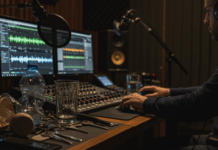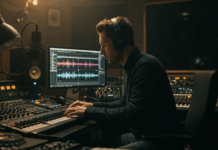
In a world where first impressions matter, audio branding has emerged as a game-changer for businesses seeking to create a lasting impact. Building a custom sound-effects library is not just about collecting random noises—it’s a strategic approach to amplifying your brand identity through sound. A thoughtfully curated library allows you to craft unique audio experiences that set your brand apart from the competition, fostering emotional connections with your audience. Emphasizing the importance of sound in branding, this journey into custom sound design will unveil how to create a distinctive audio identity that resonates deeply with your target market.
Building a Custom Sound-Effects Library: Understanding Its Importance
Building a custom sound effects library is crucial for establishing a distinctive audio identity that resonates with your target audience.
A thoughtfully curated library enhances a brand’s identity through sound, creating unique soundscapes that differentiate it from competitors.
This differentiation leads to memorable experiences for audiences, fostering lasting connections.
The emotional impact of sound should not be underestimated.
When crafted carefully, audio branding can evoke specific feelings and associations that align with your brand’s message.
For instance, upbeat sound effects might project positivity and energy, whereas ambient sounds can create a calming atmosphere.
By connecting emotionally through sound, brands create a more immersive experience for their audience.
A well-structured sound library enables quick access to the right audio assets, streamlining the creative process.
This accessibility ensures that sound effects can enhance various media appropriately, whether in advertisements, films, or games.
Moreover, a strong audio identity reinforces brand recognition.
When audiences can easily identify your sound, they’re more likely to engage with your content, leading to increased loyalty.
Lastly, understanding the significance of sound in branding helps you to create a library tailored to your specific needs.
Investing time in creating a custom sound effects library can yield substantial benefits, from enhancing brand perception to establishing an emotional bond with your audience.
In a world saturated with visual content, sound becomes an underutilized but powerful tool.
Steps for Building Your Custom Sound Effects Library
Define the Types of Sounds Needed
Start by identifying the specific categories of sound effects required for your projects. Consider sound types such as ambient sounds, effects, and musical elements. Pinpointing these early on ensures that your library aligns closely with your creative vision.Invest in High-Quality Recording Equipment
Quality audio starts at the recording stage. Utilize professional microphones, audio interfaces, and soundproofing materials to capture sound effectively. This investment lays the groundwork for a library that reflects your brand’s quality.Implement Sound Design Principles
Apply foundational sound design principles to ensure that your sounds are rich and engaging. Consider factors such as frequency balance, dynamics, and stereo imaging during both recording and editing. A well-designed sound significantly impacts how audiences perceive your brand.Regularly Update Your Library
Keeping your library fresh is crucial. Schedule consistent updates to incorporate new sounds, adapting to changing trends and current events. This practice not only enhances creativity but also ensures that your brand remains relevant in a dynamic market.Source Additional Sound Effects Online
While custom recordings are vital, supplementing with sourced effects can add diversity. Be sure to choose sound effects that resonate with your brand’s message. Always verify that you have the right licenses to avoid any legal complications.Careful Curation
Curate your library intentionally. Select sounds that align with your brand values and the emotional tone you wish to convey. Each addition should reflect your unique audio identity, forging a strong connection with your audience.Organize for Efficiency
Create a structured filing system for easy access. Organize sounds into folders based on categories like genre, mood, or project type. This organization not only expedites the retrieval process but also enhances workflow during sound selection.Gather Feedback
Encourage input from users or collaborators to refine your library. Constructive feedback is key to evolving your sound collection. It allows for adjustments that better meet the needs of your creative projects and enhances audience engagement.Backup and Protect Your Library
Regular backups across multiple devices or cloud platforms are essential to prevent data loss. This protection ensures that your hard work remains safe and accessible whenever inspiration strikes.Maintain a Balance
Balance custom sounds with sourced samples to create a distinct audio signature. This mix helps establish a sound library that resonates deeply with your audience while providing the necessary versatility for various applications.
Organizing Your Sound Library for Optimal Use
Effective organization of your sound library significantly enhances accessibility and usability. Start by categorizing sounds into distinct folders.
Consider using the following categories:
- Ambient Sounds
- Musical Elements
- Sound Effects
- Foley Effects
Implementing a clear labeling system ensures each sound is easily identifiable. Use descriptive names that reflect the sound’s characteristics or intended use, such as “RainForest01” or “MechanicalWhir02.”
Enhancing your sound effects catalog management also involves adding metadata to each file. This includes tags for genre, mood, and specific instruments. Not only does this help streamline search functionality, but it also aids in evaluating sound effects for brand fit during specific project phases.
Regular updates are essential. Set a schedule for reviewing and adding new sounds to maintain relevance. Collaboration with designers and fellow sound engineers can introduce new perspectives, enriching your overall sound experience.
Additionally, back up your library in multiple locations, such as external drives and cloud storage, to prevent loss of valuable audio files.
Incorporate feedback loops to adapt your library based on user preferences and emerging trends. Engaging with your creative community can provide insights into evolving needs, ensuring your library remains functional for various projects.
Utilizing these organizational strategies not only enhances the user experience with sound but also supports an effective workflow for all audio production needs.
Licensing and Legal Considerations in Sound Design
Understanding the intricacies of sound effects licensing and legal considerations is essential for creators looking to build a reputable sound library.
Copyright laws dictate who owns a sound and how it can be used. All sounds should be either original creations or properly licensed to avoid potential legal repercussions.
This means securing licenses that grant permission to use particular audio, whether through one-time payments or ongoing royalties.
When incorporating sounds in branding or advertising, following these guidelines is vital:
Original Content: Create your own sounds to ensure full ownership and creative control.
Royalty-Free Resources: Utilize services that offer royalty-free sound effects, which can be used without ongoing costs for commercial purposes.
Proper Licensing: Always read the terms of any sound resource to know the limitations and obligations tied to its use.
Documentation: Keep records of all licenses and agreements related to sound to protect yourself against disputes.
Delving into these legal aspects not only secures your brand’s integrity but also fosters a sustainable approach to sound design that aligns with industry standards.
Integrating Audio into Brand Identity
Strategically integrating sound into your brand identity can evoke profound emotional responses that align seamlessly with your messaging.
Sound serves as a powerful branding tool, creating an immersive experience that captures attention and enhances storytelling.
When a brand utilizes audio effectively, it transforms simple marketing into a journey that resonates with its audience on multiple levels.
Here are some effective strategies for leveraging sound in branding:
Define Your Brand’s Audio Signature: This might include specific instruments, sound effects, or themes that mirror your brand’s personality.
Develop Cohesive Soundscapes: Ensure that the sounds used across various platforms – from commercials to social media – create a harmonious experience. This consistent audio identity can facilitate stronger recognition.
Engage Emotions with Purpose: Select sounds that connect with the desired feelings of your audience. For example, uplifting music can inspire joy, while ambient sounds can create tranquility and focus.
Test and Adapt: Gather feedback on how your audience responds to different audio elements. Adapt your sound library based on what resonates best, ensuring that the audio evolves with your audience’s preferences.
Incorporate Audio in Customer Interactions: Use sound effects in customer service settings or during product demonstrations to enhance engagement.
By establishing these audio elements, brands can weave a richer narrative that not only informs but also emotionally captivates their audience, elevating the brand experience to a new level.
In conclusion, building a custom sound-effects library is more than just a collection of sounds; it’s about crafting a distinct audio identity that resonates with your brand’s essence. By establishing a clear concept, structuring your library effectively, employing innovative recording techniques, and ensuring top-notch quality control, you create a powerful tool for brand enhancement.
Integrating these sound effects strategically across your marketing and branding efforts can significantly heighten audience engagement and emotional connection.
Ultimately, your sound library becomes a vital part of your brand storytelling, enhancing recognition and leaving a lasting impression.
Embrace the journey of building a custom sound-effects library: branding through audio, and watch how your unique sound identity elevates your brand to new heights.
FAQ
Q: What is the significance of building a custom sound effects library?
A: Building a custom sound effects library is essential for establishing a unique audio identity that resonates with your brand and audience, enhancing brand recognition.
Q: How do I structure my sound library effectively?
A: Structuring your sound library involves organizing files into directories based on genres, moods, or sound types, facilitating efficient access and retrieval of sounds during your projects.
Q: What types of sounds should I include in my library?
A: Include a diverse range of sounds such as ambient noises, sound effects, and musical elements that align with your brand’s aesthetic and message, creating a cohesive audio experience.
Q: What recording techniques should I consider for original sounds?
A: Focus on recording in controlled environments while also capturing realistic outdoor sounds, ensuring high-quality audio that reflects your brand’s identity authentically.
Q: Why is editing important in sound design?
A: Editing is crucial for refining audio effects, ensuring consistency and emotional impact, which enhances your sound branding and overall listener experience.
Q: What quality control measures should I implement?
A: Implement quality control by checking for unwanted noise, ensuring clarity, and adding metadata for discoverability, which significantly improves audio quality and branding.
Q: How can I integrate sound effectively in my branding efforts?
A: Use audio branding strategically across multimedia campaigns to evoke emotions and enhance audience engagement, ultimately strengthening your brand’s identity.