If you’re a music producer or sound engineer, you’ll be excited to discover the latest transformations in PreSonus Studio One 10+. This update is not just another version; it’s a game-changer. With a revamped user interface promising effortless navigation and powerful new audio editing tools, this release enhances functionality like never before. As we dive into the exciting changes and novelties, you’ll see how these updates significantly influence your workflow, creativity, and overall music production experience. Get ready to explore what Studio One 10+ has to offer!
Changes and Novelties in PreSonus Studio One Features
The latest update for PreSonus Studio One introduces a range of new features designed to elevate the user experience and enhance functionality for music producers and sound engineers.
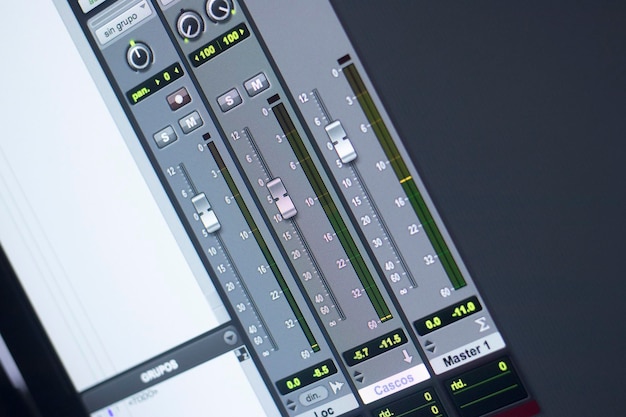
The most notable upgrade is the improved user interface that simplifies navigation. This redesign allows users to find essential tools and features more easily, promoting a smoother workflow. With a layout that emphasizes accessibility, even new users can quickly adapt to the software’s capabilities.
New audio editing tools are another significant addition. These tools provide music producers with more precise ways to manipulate sound, which is critical for achieving high-quality audio mixes. Users can now edit audio tracks with granular accuracy, allowing for detailed adjustments that enhance the overall sonic quality of their projects.
Studio One now supports an advanced audio engine capable of handling up to 256 audio tracks. This expansion significantly boosts the software’s capacity, accommodating large-scale productions without compromising performance.
AI-driven capabilities for chord detection have also been introduced, aiding in songwriting and composition by providing intelligent suggestions based on user input. This feature streamlines the creative process, making it easier to experiment with different chord progressions and arrangements.
Moreover, the inclusion of new virtual instruments enriches the creative toolkit available to users. These instruments introduce fresh sounds and textures that encourage experimentation and inspire new musical ideas.
In terms of performance, this update enhances stability and loading times, ensuring users can maintain productivity, even with complex projects. The seamless integration of these features exemplifies PreSonus’s commitment to evolving with modern production needs, benefiting both beginners and seasoned professionals in the music industry.
Enhancements in Audio Editing and MIDI Capabilities in PreSonus Studio One
The latest update to PreSonus Studio One introduces significant enhancements in audio editing and MIDI capabilities that greatly benefit music producers and sound engineers.
Users can now take advantage of advanced MIDI editing options, including improved quantization features. This enhancement offers greater control over musical compositions, allowing for precise adjustments that can enhance creativity. With these tools, users can easily manipulate note timing and dynamics, resulting in more professional-sounding tracks.
Moreover, the audio editing tools have been upgraded to facilitate a seamless integration between audio and MIDI tracks. This innovation streamlines production workflows by allowing users to work more fluidly between different types of media within their projects. The ability to edit both MIDI and audio together fosters a more cohesive approach to sound design.
Support for higher sample rates is another crucial addition, significantly elevating audio quality. This allows producers to achieve clearer and more detailed recordings, which are especially beneficial in genres emphasizing finesse and texture.
Performance optimizations also play a vital role, improving overall stability during sessions, particularly with larger projects. Reduced latency enhances the responsiveness of the software, making it easier to maintain creative momentum during recordings or live performances.
In summary, these audio editing enhancements and MIDI capabilities in PreSonus Studio One provide users with powerful tools to elevate their music production efforts, ensuring a smoother workflow and richer sound quality.
Workflow Enhancements and Collaboration Features in PreSonus Studio One
New workflow enhancements in PreSonus Studio One significantly simplify project sharing among users, fostering smoother collaboration.
Enhanced integration tools enable effective remote collaboration, allowing producers and musicians to work together seamlessly, regardless of location. This is a game-changer in today’s flexible work environment, where teamwork is essential for creative projects.
Moreover, the update introduces dedicated tutorial resources tailored to help users navigate and adapt to new features. These educational materials ensure that even newcomers can get up to speed quickly, empowering them to leverage the full potential of the software without feeling overwhelmed.
Users can now easily manage project files, share updates in real-time, and communicate through integrated messaging features, which promote a collaborative atmosphere. The software’s updated organization tools allow teams to maintain clarity in version control, making it easy to track changes and edits.
This seamless workflow not only reduces the time spent on administrative tasks but also fosters creativity, letting users focus on the music itself.
Overall, the improvements in workflow standards and collaboration capabilities reflect a thoughtful approach to enhancing user experience, making Studio One a more inviting and efficient platform for both seasoned professionals and those just starting out.
These changes ultimately streamline the music production process, elevating teamwork and collaboration to new levels.
Performance Optimizations and System Compatibility in PreSonus Studio One
The latest version of PreSonus Studio One has introduced impressive performance optimizations that enhance the user experience significantly.
Users can now enjoy faster load times, which is crucial during intensive sessions, allowing for a more efficient workflow.
Smooth operation is a hallmark of this update, particularly important for those working on complex projects with multiple tracks and plugins.
Additionally, compatibility with a wider range of plugins and external audio interfaces has been enhanced, ensuring that users have more options for sound design and production.
Many users have reported increased stability during both recordings and live performances, demonstrating a key focus on reliability.
Latency improvements have also been a highlight, providing a more responsive feel during playback and recording, which is vital for maintaining the creative flow in any music production setting.
The improved integration with various operating systems ensures that Studio One remains accessible to an array of setups, making it a versatile choice for producers and engineers alike.
In summary, the performance optimizations and system compatibility in PreSonus Studio One create a more reliable and enjoyable experience for users across different platforms and hardware configurations.
User Experience and Feedback on Changes in PreSonus Studio One
User feedback reflects a strong appreciation for the new features and enhancements introduced in PreSonus Studio One, with many users noting the intuitive design as a significant advantage.
Testimonials from seasoned producers confirm that the updated tools have elevated their workflow and creativity.
For instance, one user remarked on the intuitive audio editing tools, stating, “The ability to manipulate sounds with more precision has truly changed my production process.”
However, some beginners have acknowledged a noticeable learning curve with the updated interface.
While veterans may dive right into the enhancements, new users often need time to acclimate fully.
A common sentiment among beginners is that, despite the initial challenges, the eventual payoff in efficiency and functionality is worth the effort.
Users have also noted the community support surrounding the software as a valuable asset during this transition. Many have turned to forums and user groups for tips that ease the learning process.
Overall, the combination of positive user experiences and critical feedback reflects a well-rounded reception, showcasing that while the new features may require adjustments, the long-term benefits significantly enhance the overall user experience within PreSonus Studio One.
In summary, the changes and novelties in PreSonus Studio One reflect a commitment to improving the music production experience for all users, from beginners to seasoned professionals.
With significant updates like the advanced audio engine, innovative collaboration tools, and a reimagined user interface, Studio One 10+ is not just enhancing functionality but also fostering creativity.
MIDI editing enhancements and robust plugin support open new avenues for sound design and workflow.
These developments not only bolster audio production capabilities but also strengthen the community around Studio One, promoting shared creativity and support among users.
The evolution of PreSonus Studio One truly illustrates how the software adapts to the ever-changing landscape of music production.
Embracing these changes and novelties in PreSonus Studio One can lead to a more fulfilling and efficient creative process.
FAQ
Q: What are the new features introduced in PreSonus Studio One Pro 7.1?
A: The latest update introduces an improved user interface, new audio editing tools, enhanced MIDI capabilities, support for higher sample rates, and new virtual instruments, enriching the user experience.
Q: How does the update improve the workflow for music producers?
A: The intuitive layout and customizable mixer streamline navigation and facilitate a smoother creative process, allowing producers to access tools quickly and efficiently.
Q: What sound design tools have been updated in Studio One?
A: New audio editing tools allow for precise sound manipulation, while performance enhancements ensure smoother playback and reduced latency during recording sessions.
Q: Are there improvements in collaboration features?
A: Yes, the update includes advanced sharing options for real-time project collaboration, enhancing teamwork among producers and musicians.
Q: What user experiences have been reported regarding the new version?
A: Users appreciate the user-friendly interface and advanced MIDI capabilities, but some note a learning curve for new features, suggesting that beginners may require time to adjust.
Q: How do the updates compare to previous versions of Studio One?
A: The current version offers significant enhancements in user experience, MIDI editing, mixing capabilities, and community support, reflecting a commitment to evolving with user needs.
Q: Is the latest version affordable for all users?
A: The update is priced competitively, making it accessible for both hobbyists and professionals, offering robust features for a variety of budgets.
Q: What is the community feedback surrounding PreSonus Studio One?
A: The community support, including forums and user groups, is valued for sharing tips and enhancing the user experience, fostering a collaborative atmosphere among producers.