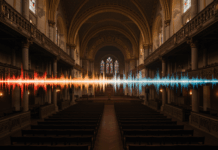

In the ever-evolving world of music production, the use of royalty-free samples has become an essential resource for producers, DJs, and content creators alike. These audio collections, free from licensing fees, open doors to a vast array of sounds, spanning genres and styles, all at your fingertips. Whether you’re crafting beats in Ableton Live or layering melodies in FL Studio, royalty-free samples provide the flexibility and creativity you need to enhance your projects. This article will guide you through the essential aspects of royalty-free samples, their benefits, how to discover them, and best practices for truly unlocking their potential in your music production journey.
Royalty Free Samples Overview
Royalty free samples are audio collections that can be utilized without incurring licensing fees, making them highly appealing to music producers, DJs, and content creators globally.
These samples come in various formats, including WAV, AIF, and MIDI, which allows for seamless integration into most major digital audio workstations (DAWs), such as Ableton Live and FL Studio. This compatibility ensures that producers, regardless of their experience level, can effectively use these resources.
One of the key benefits of royalty free samples is their versatility across numerous music genres and styles. Whether you are working on electronic dance music, hip-hop, or cinematic scores, there’s a wealth of samples available to assist in the creative process. This diversity offers both professional and beginner musicians the chance to enhance their projects while broadening their sound palettes.
Moreover, using royalty free samples provides a cost-effective solution for music production. With access to high-quality audio resources without the concern of additional royalties, creators can focus on their craft instead of navigating complex licensing agreements. This ease of use, combined with the expansive availability of samples, positions royalty free music samples as invaluable tools in the landscape of modern music production.
Additionally, as many platforms continue to update their libraries, users can consistently discover fresh and relevant sounds that align with current trends in music. This ongoing availability enhances creativity and allows artists to experiment freely while developing their unique styles.
Benefits of Royalty Free Samples
Royalty-free samples offer invaluable benefits for music producers, significantly impacting creativity and efficiency in the music-making process.
One of the most appealing aspects of royalty-free samples is the elimination of licensing fees. This simplifies the creative process, allowing producers to focus on crafting their sound without the financial stress associated with traditional copyright issues.
Accessing high-quality sounds becomes effortless. These samples are often recorded by experienced professionals, ensuring a polished finish to any project. With a wide array of options at their fingertips, producers can easily find the right sound for their genre, boosting the overall quality of their work.
Moreover, royalty-free samples save time. Instead of spending countless hours crafting sounds from scratch, musicians can select and integrate samples that fit their vision right away. This efficiency allows for more time dedicated to the artistic aspects of production.
Flexibility is another key advantage. Whether delving into electronic, hip-hop, or jazz, producers can explore various genres without concern for legal restrictions. This freedom encourages experimentation, enabling artists to merge styles and create innovative sounds that resonate with their audience.
Here are some specific benefits of using royalty-free samples:
Cost Savings: Avoid licensing fees, making it budget-friendly for all creators.
High-Quality Audio: Access to professionally curated sounds enhances production quality.
Time Efficiency: Rapidly integrate samples for quicker project turnaround.
Versatility: Explore diverse genres without legal or financial barriers.
Enhanced Creativity: Encourage experimentation and genre fusion in compositions.
Utilizing royalty-free samples is not only an economical choice, but it’s also a strategic one, allowing producers to elevate their craft while maintaining creative control.
How to Find Royalty Free Samples
Finding royalty-free samples begins with exploring various online platforms that offer high-quality audio resources. Many websites feature curated libraries geared to enhance your music production experience.
When searching for royalty-free samples, consider focusing on reputable sources known for their diverse selection and tested quality.
Here are some strategic tips for navigating different websites:
Search by Genre: Many platforms categorize samples by genre, making it easier to find what’s suitable for your project, whether it’s hip-hop, house, or cinematic scores.
Utilize Filters: Take advantage of filtering options that allow you to refine results based on tempo, key, and instrument type. This can save time and help find samples compatible with your current project.
Check for Reviews: Look for user ratings and reviews on sample packs. High-quality samples often come with feedback from other producers, indicating their usability and sound quality.
Sample Previews: Listen to sample previews before downloading. This ensures you’re selecting sounds that fit your vision and maintain high production standards.
Subscription Options: Consider platforms that offer subscription models. These typically grant access to ample content at a fraction of the cost, allowing continuous add-on of fresh sounds to your library.
Community Engagement: Join forums or groups related to music production. Engaging with a community can provide recommendations for lesser-known but excellent sources for royalty-free samples.
Incorporating these strategies can significantly enhance your ability to find the best royalty-free samples, improving the overall quality of your music projects.
Utilizing Royalty Free Samples in Music Production
Royalty-free samples can play a pivotal role in music production, significantly enhancing creativity and efficiency. These audio clips serve as foundational elements across various projects, including song creation, film scoring, and video production. With their versatility, they allow producers to layer loops, beats, and melodies creatively.
When integrating royalty-free samples into music, start by selecting samples that align with the style of your project. Whether you are crafting electronic, hip-hop, or acoustic tracks, pick samples that fit the genre. For instance, a punchy drum loop can drive a high-energy dance track, while lush synth pads can create atmospheric depth in ambient music.
Customization is also key to optimizing the use of these samples. Producers can manipulate samples by changing their pitch, tempo, or adding effects like reverb and delay to match the vision for their project. For example, a straightforward melodic loop could be transformed into a unique motif by altering its rhythm and layering it with other elements.
In particular, for video projects, royalty-free music samples help ensure compliance with copyright regulations while maintaining high-quality soundscapes. This makes them invaluable for content creators seeking engaging soundtracks for platforms like YouTube. Sampling the right snippets not only provides a professional touch but also keeps production timelines tight without the hassle of licensing issues.
Lastly, experimenting with different samples can lead to innovative sounds you might not have initially considered. Don’t hesitate to blend genres or mix unexpected elements to create a fresh sonic identity. With the right approach, royalty-free samples become powerful tools in any music producer’s arsenal, allowing for boundless creativity and artistic expression.
Best Practices for Using Royalty Free Samples
Understanding and applying best practices when using royalty free samples is crucial for any music producer.
First and foremost, always review licensing agreements for the samples you choose. This ensures that you’re compliant with the terms of use and avoids potential legal issues in the future.
Additionally, giving appropriate credit when required can demonstrate respect for the creators and foster a sense of community among music makers.
When integrating samples into your projects, don’t be afraid to experiment with editing or modifying them. Transforming a sample can infuse your unique style and make it an integral part of your personal sound.
Organizing your sample library systematically can greatly enhance your workflow. Develop a naming convention or categorization method that works for you, distinguishing between genres, types, or moods.
Furthermore, consider using royalty free samples to mix and layer sounds creatively. This can create depth and texture in your productions, elevating the overall quality.
For beginners, starting with curated sample packs can simplify the learning curve, as they often contain cohesive sounds suitable for specific genres.
By following these best practices, you’ll ensure more compliant, creative, and effective use of royalty free samples in your music production endeavors.
In conclusion, royalty free samples play a crucial role in the landscape of music production and content creation. By offering accessibility to high-quality audio resources without the burden of additional costs, they empower musicians and producers to explore their creativity freely. Choosing the right royalty free samples is essential, as it ensures compatibility and suitability for specific projects. With the numerous benefits they offer, including cost-effectiveness and versatility across various genres, these samples are invaluable for anyone in the industry. As you embark on your creative journey, remember to leverage the vast array of royalty free sound libraries available, allowing you to elevate your work while keeping your budget intact. Embrace the power of royalty free samples and unlock new possibilities in your artistic endeavors.
FAQ
Q: What are royalty free samples?
A: Royalty free samples are audio clips used without incurring licensing fees, making them a cost-effective option for music creators needing diverse sounds.
Q: Why should I use royalty free samples in my projects?
A: Using royalty free samples saves costs, offers high-quality audio resources, and fosters creativity without worrying about royalty payments, ideal for versatile projects.
Q: How do I choose the right royalty free samples for my music?
A: When selecting samples, consider your project’s style, audio quality, genre compatibility, and how they integrate with your digital audio workstation (DAW).
Q: Where can I find high-quality royalty free samples?
A: Numerous online platforms provide extensive libraries of royalty free samples across various genres, often with subscription plans for easy access and filtering options.
Q: Can I use royalty free samples in YouTube videos?
A: Yes, royalty free samples are ideal for YouTube content, allowing creators to incorporate professional sounds while complying with copyright regulations.
Q: What types of sounds can I find in royalty free sample collections?
A: Collections include various sounds, such as synth shots, drum loops, and melodies, suitable for genres like EDM, hip-hop, and cinematic projects.
Q: Are there specific rights associated with royalty free samples?
A: Rights vary by provider; always check usage licenses associated with samples to ensure compliance with each platform’s rules.