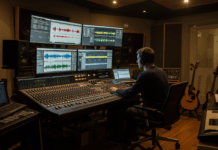
In the ever-evolving world of music production, mixing can make or break a track. Fortunately, the rise of free VST plugins has opened doors for producers at every level, offering powerful tools without the hefty price tag. These plugins not only equip you with essential mixing capabilities—such as equalization and compression—but also enhance your creativity and workflow. In this comprehensive guide, we’ll explore the diverse landscape of free VST plugins for mixing, highlighting their advantages, compatibility with popular DAWs, and the multitude of effects and instruments that can transform your sound. Whether you’re an aspiring artist or a seasoned engineer, understanding how to utilize these resources can significantly elevate your production game.
Free VST Plugins for Mixing: An Overview
The landscape of free VST plugins for mixing is thriving, offering a wealth of options for music producers at all levels.
These plugins are crucial for enhancing audio quality and artistic expression, making them integral to any digital audio workstation (DAW).
One of the primary advantages of using free VST plugins is their cost-effectiveness.
Producers can access high-quality mixing tools without financial strain, which is especially beneficial for newcomers to the music production scene.
Additionally, many free plugins boast a range of functionality, from EQ and compression to reverb and saturation, ensuring that the basic needs of mixing are well-covered.
The growing variety of free VST effects allows producers to experiment with unique sounds and creative techniques.
As a bonus, most free VST plugins are designed with user-friendly interfaces, catering to beginners who may feel overwhelmed with complex setups.
Moreover, many of these plugins are compatible with popular DAWs, which adds flexibility to their use across various platforms.
Here are some essential free VST effects you might consider:
- EQ
- Compression
- Reverb
- Delay
- Distortion
Employing these tools can lay a solid foundation for developing a professional sound in your mixes, illustrating their significance in modern music production.
Essential Free VST Effects for Mixing
Free mixing plugins are invaluable tools that enable producers to elevate their audio production without incurring costs. Within this realm, equalizers and compressors are essential for shaping sound, offering control over frequency balance and dynamic range.
Notably, TDR Nova stands out as a powerful free equalizer. Its dynamic EQ capabilities allow for versatile frequency adjustments, making it suitable for both corrective and creative mixing tasks. Many users appreciate its intuitive interface, which simplifies complex tasks while providing advanced control.
Another crucial tool is Audio Damage Rough Rider 3, acclaimed for its character-rich compression. This plugin excels in adding punch and presence, especially to drums and vocals. Its simple controls and pleasant sonic quality have earned it a place in countless mixing setups.
Reverb and delay effects are key in crafting space and depth. For reverb, TAL-Reverb-4 offers lush, vintage-styled reverb that’s easy to dial in for most mixing scenarios. The warm sound it produces can help instruments sit nicely in the mix without overwhelming them.
On the delay front, Valhalla Supermassive provides an expansive range of delay options, perfect for creating ambient textures and rhythmic echoes. Users admire its ability to produce everything from quick slapbacks to long, lush delays with a delightful character.
Here’s a brief list of recommended free VST effects for mixing:
| Plugin Name | Type | Key Features |
|—————————-|—————|—————————————————–|
| TDR Nova | Equalizer | Dynamic EQ, intuitive interface |
| Audio Damage Rough Rider 3 | Compressor | Character-rich compression, simple controls |
| TAL-Reverb-4 | Reverb | Vintage-style reverb, warm sound |
| Valhalla Supermassive | Delay | Versatile delays, ambient textures |
Using these plugins effectively can significantly enhance sound quality in your mixes. By incorporating them into your audio production workflow, you’ll discover a new level of creativity and clarity in your music.
Best Free VST Instruments for Mixing
A variety of free VST instruments can significantly enhance your mixing process by adding depth and texture to your tracks. These instruments provide musicians with the tools to create unique sounds, enrich your compositions, and streamline your workflow in the mix.
One standout option is Surge XT, a versatile hybrid synth that boasts a rich array of sounds, including pads, leads, and basses. This synth’s extensive modulation capabilities allow producers to create dynamic textures, making it perfect for adding character to mixes.
Vital Audio’s Vital is another excellent choice, renowned for its wavetable synthesis and intuitive interface. It allows for deep sound design, enabling users to build complex sounds that sit perfectly in the mix. The text-to-wavetable feature is a game-changer for those looking to experiment with sound creation.
For producers seeking classic sounds, TAL-Noisemaker delivers a straightforward analog modeling experience. It’s particularly useful for those who want to create warm, vintage tones quickly. Its user-friendly design is approachable for beginners while still offering rich textures suitable for complex mixes.
Additionally, Spitfire LABS offers an impressive selection of sampled instruments for free, including orchestral sounds and soft pianos. These sounds can add sophistication and depth, making them valuable for layering and enhancing mixes.
Lastly, Digital Suburban’s Dexed faithfully emulates the DX7, a staple of electronic music. With its vast array of presets, it can easily find a place in various genres, adding familiarity and richness to your productions.
Utilizing these free VST instruments can greatly expand your mixing palette, providing both novice and experienced producers with creative frameworks to enrich their mixes.
Tips for Using Free VST Plugins in Your Mix
Incorporating free VST plugins into your mixing workflow can elevate your audio projects without straining your budget. Here are some actionable tips and techniques to maximize their potential:
Choose Wisely: Prioritize plugins known for their reliability and quality. Start with fundamental effects like EQ, compression, and reverb, which can significantly impact your mix’s clarity and depth. Tools like TDR Nova for EQ and Audio Damage Rough Rider 3 for compression are good initial picks.
Optimize Performance: Ensure your DAW settings accommodate the plugins to prevent CPU overload. Sometimes, adjusting buffer sizes or freezing tracks with heavy plugins can help maintain a smooth workflow during complex projects.
Experiment with Routing: Utilize sends and returns to apply effects like reverb and delay more efficiently. This approach not only conserves CPU resources but also allows for creative choices, such as blending direct and processed signals.
Layer Plugins: Don’t hesitate to stack multiple effect plugins to create unique sounds. For instance, pair a chorus effect with a subtle flanger to enrich a guitar track, producing a lush and spacious sound.
Utilize Gain Staging: Proper gain staging throughout the mixing process is crucial. Avoid clipping by monitoring levels carefully as you apply effects. This practice ensures that each plugin operates within its optimal range, providing the best sound quality.
Make Use of Templates: Setting up mixing templates that incorporate frequently used free plugins can save time and streamline your creative process. Start with a basic setup, including the key effects you often use, and customize it as needed.
Stay Updated: Keep an eye on updates from plugin developers. Many free plugins see regular improvements, including bug fixes and new features, which can enhance performance and stability.
Engage with the Community: Join forums or online groups where producers share experiences and workflows using free VST plugins. This collaboration can lead to new techniques and invaluable insights, fostering your growth as a producer.
Implementing these tips into your mixing workflow can help you achieve professional-sounding mixes while leveraging the benefits of free VST plugins effectively.
The Limitations and Considerations of Free VST Plugins
While free VST plugins are invaluable tools for producers, they come with certain limitations.
Often, these plugins have fewer features compared to their premium counterparts. This can affect sound quality, complexity, and flexibility in production tasks. For instance, a free EQ plugin might not offer advanced filters or precise control like a paid version, which can hinder the mixing process, especially for those looking for professional-sounding results.
Quality issues can also arise with free options. Some plugins may introduce unwanted noise or artifacts in your audio, leading to a less polished end product. This is something to keep in mind when choosing a tool to integrate into your workflow.
Moreover, compatibility can be a concern. Not all free plugins work seamlessly across different digital audio workstations, and some may require specific system configurations. Users often find themselves troubleshooting issues related to installation or plugin functionality, which can frustrate the creative process.
To navigate these common pitfalls, consider the following troubleshooting tips:
Keep plugins updated: Regularly check for updates to ensure optimal performance and compatibility.
Read user reviews: This helps gauge the experiences of other producers and highlights potential issues that may arise with specific plugins.
Experiment in small projects: Test new plugins in less critical sessions to get a feel for their capabilities and limitations.
By being aware of these aspects, you can make informed decisions, maximizing the utility of free VST plugins while minimizing frustrations during your mixing endeavors.
Resources for Finding Free VST Plugins
Discovering high-quality free VST plugins involves knowing where to look and whom to trust.
There are several reputable online platforms where you can find and download free plugins legally.
Here are some resources to get you started:
Plugin Boutique – A great marketplace for audio plugins, featuring a dedicated section for free offerings.
KVR Audio – This community-based site lists countless plugins, frequently updated by user contributions and developer announcements.
VST4Free – An extensive directory of free VST plugins across various categories, allowing you to filter based on your needs.
Bedroom Producers Blog – A reliable source for finding curated lists of high-quality free plugins, along with useful reviews.
Audioplugin.deals – While primarily focused on deals, they often share free plugin promotions and updates.
In addition to these platforms, several developers are well-known for producing exceptional free plugins, crafted with both functionality and user experience in mind. Some popular names include:
TDR (Tokyo Dawn Labs) – Renowned for their high-quality EQ and dynamics processing plugins.
MeldaProduction – Offers a wide range of versatile effects and instruments that are frequently updated.
ValhallaDSP – Known for their professional-grade reverb and delay options, with free versions available.
Sonic Anomaly – Focuses on innovative effects that enhance audio quality in mixing and mastering.
Utilizing these resources ensures you can safely and effectively expand your mixing toolkit with valuable free plugins.
As we conclude our exploration of free VST plugins for mixing, it’s clear that these tools provide invaluable resources for both novice and experienced producers. The journey through various plugins, installation tips, and mixing techniques has emphasized the essential role these audio production tools play in crafting professional-sounding mixes without straining your budget.
Engaging with free VST plugins not only enhances your auditory creations but also fosters a sense of community as you share techniques and experiences with fellow music creators. By experimenting with these plugins, you can refine your skills, avoid common pitfalls, and elevate your mixing projects.
As you continue to navigate the exciting world of audio mixing, remember that free VST plugins for mix explained serve as an ongoing resource for growth and exploration. Embrace this opportunity to push the boundaries of your creativity and enjoy the sounds that you can create.
FAQ
Q: What are free VST plugins for mixing?
A: Free VST plugins are software tools used in digital audio workstations to enhance mixing processes, offering effects like EQ, reverb, and compression without any financial investment.
Q: What are the benefits of using free VST plugins for music production?
A: They provide essential features for mixing, save costs, and are often user-friendly, making them accessible for both beginners and experienced producers.
Q: How do I install free VST plugins?
A: Installing free VST plugins typically involves downloading the plugin, extracting files, and placing them in the appropriate folder of your digital audio workstation, followed by a simple scan within the software.
Q: Can I use free VST plugins in different DAWs?
A: Yes, many free VST plugins are compatible across various digital audio workstations, allowing for versatile usage in different music production environments.
Q: What common pitfalls should I avoid when using free VST plugins?
A: Users should avoid improper settings, neglecting updates, and insufficient gain staging, as these can lead to poor mixing results and workflow issues.
Q: What are some of the best free VST plugins for mixing?
A: Recommended options include TDR Nova for EQ, Audio Damage Rough Rider 3 for compression, and TAL-Reverb-4 for reverb, praised for their effectiveness in enhancing audio mixes.
Q: How can I maximize my mixing techniques with free VST plugins?
A: Focus on proper gain staging, explore various EQ settings, and experiment with combining effects to achieve innovative sound design and balanced mixes.
Q: Are there free MIDI plugins recommended for music production?
A: Yes, plugins like HY MIDI Sequencer, CodeFN42, and Harvest Mini are excellent for generating musical patterns and enhancing MIDI workflows in music production.