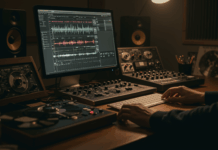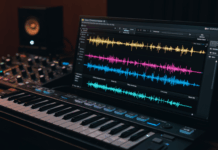
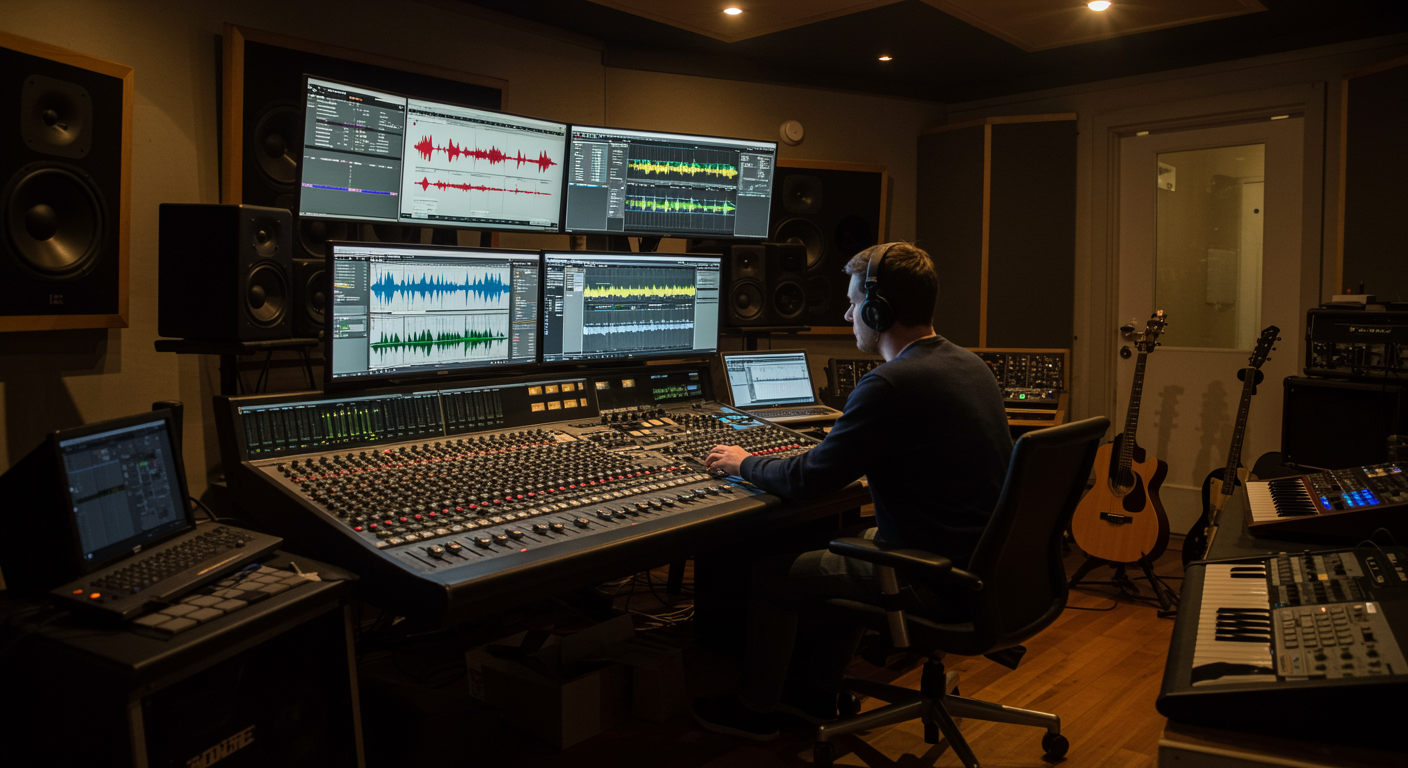
To seamlessly mix live instruments with electronic samples, focus on establishing a cohesive sonic environment by matching tempo, key, and feel, then employ careful EQ to carve out frequency space for each element, judicious compression for dynamic control, and shared reverb/delay to glue them together, ensuring both elements serve the overall track’s groove and emotional intent.
Establishing a Cohesive Sonic Foundation
The first step in successfully mixing live instruments with electronic samples is to lay a solid foundation that allows them to coexist harmonically and rhythmically. This begins before any processing, by ensuring that all elements are perfectly in sync in terms of tempo and, ideally, key. While electronic samples offer precise tempo control, live instruments require careful recording to a click track to minimize timing discrepancies. Slight adjustments to the attack or decay of samples can help them sit better with the organic transients of live recordings. Consider the overall vibe or “feel” of the track; a driving electronic beat might need a punchy, tight live bass, whereas a lush ambient pad could complement a more ethereal, sustained string section.
Beyond tempo and key, pay close attention to the sonic characteristics of both your live instruments and electronic samples. Are you aiming for a blend where they are indistinguishable, or a clear contrast? Understanding this creative intent will guide your decisions throughout the mixing process. For instance, a vintage drum machine sample might pair well with a warm, analog-sounding synth and a naturally recorded acoustic guitar, rather than a super clean, modern digital synth. Matching the perceived “age” or “fidelity” of the sounds can greatly enhance cohesion when mixing live instruments with electronic samples.
Strategic EQ and Dynamic Processing
Effective equalization and dynamic processing are crucial for integrating disparate sonic elements. When mixing live instruments with electronic samples, the goal of EQ is to carve out unique frequency pockets for each sound, preventing clashes and ensuring clarity. For more in-depth advice, check out our guide on equalizer plugins. Live instruments, especially acoustic ones, often have a rich harmonic content across the spectrum. Samples, particularly synthetic ones, might occupy very specific frequency ranges or present overwhelming bass or treble. Use high-pass filters to remove unnecessary low-end rumble from instruments that don’t need it, and low-pass filters to tame harsh highs.
Dynamic processing, primarily compression, helps control the amplitude envelopes of your sounds, making them more consistent and allowing them to sit better in the mix. To understand more about dynamic control, learn about compressor plugins. Apply compression judiciously to both live instruments and electronic samples. For live drums, parallel compression can add punch without sacrificing dynamic range. When focusing on drums, mastering drum mixing techniques is crucial for a powerful rhythm section. For electronic samples, compression can make them more consistent, allowing them to blend or stand out as needed. Gating can also be useful for live recordings to clean up unwanted noise, making them tighter and more compatible with the pristine nature of many electronic sounds. Sidechain compression is an invaluable technique here, allowing a dominant element (like a kick drum sample) to momentarily duck another sound (like a synth pad or bass guitar), creating rhythmic pulse and clearing space.
Creating a Unified Spatial Environment
To make live instruments and electronic samples feel like they belong in the same sonic world, creating a unified sense of space is paramount. Reverb plugins and delay are your primary tools for this. Rather than applying different reverbs to every single track, consider using one or two high-quality send reverbs for the entire mix. By sending varying amounts of different tracks to the same reverb, you create a shared acoustic space, effectively “gluing” the sounds together. Choose reverb types (e.g., plate, hall, room) and settings (decay time, pre-delay) that complement the overall mood and tempo of your track.
Delay can also contribute to this sense of cohesion, especially when used rhythmically. A short, tempo-synced delay on a lead vocal or a percussive sample can add depth and movement without cluttering the mix. Pan individual elements carefully within the stereo field to create width and depth. Live instruments often have a natural stereo spread if recorded with multiple microphones, which can be complemented by strategically panning mono electronic samples. The judicious application of panning, alongside shared time-based effects, ensures that all elements, whether organic or synthetic, feel like they are performing in the same virtual room.
Rhythmic Interplay and Groove Integration
Beyond simply matching tempo, integrating the grooves of live instruments and electronic samples is vital for a seamless mix. Live musicians bring a human feel, often with subtle micro-timing variations that give a track its character. Electronic samples, especially programmed drums or loops, are typically perfectly quantized. The challenge is to either “humanize” the samples or “tighten” the live performances without losing their essence. Minor grid adjustments or swing settings on electronic beats can help them lock in with a live drummer’s groove. Conversely, very subtle quantization or groove templates can be applied to live performances to align them more closely with electronic elements, but always proceed with caution to preserve the organic feel.
Consider the rhythmic role each element plays. Is the electronic kick driving the beat while the live bass provides a counter-rhythm? Are the live percussion instruments accentuating the electronic hi-hats? Thinking about the rhythmic dialogue between all parts allows you to sculpt the groove intentionally. Techniques like sidechaining can also enhance rhythmic integration, for example, a synth pad sidechained to a kick drum sample creates a pumping effect that emphasizes the electronic beat while still allowing the synth to be heard, creating a powerful rhythmic link when mixing live instruments with electronic samples.
Harmonic Compatibility and Pitch Considerations
Ensuring harmonic compatibility is critical when blending live instruments with electronic samples, especially for melodic or harmonic elements. All musical parts, whether played live or sampled, should ideally be in the same key or at least harmonically related. While live instruments are typically recorded in a specific key, electronic samples might come from various sources and require pitch adjustment. Many digital audio workstations (DAW) offer powerful tools for pitch shifting and time stretching, allowing you to adapt samples to fit your track’s key and tempo without significant degradation.
Beyond the fundamental key, consider the harmonic texture and density. A dense electronic pad might clash with a complex live string arrangement. Conversely, a simple, sparse electronic arpeggio might provide a beautiful counterpoint to a soulful live piano. Pay attention to how the overtone series of live instruments interacts with the pure tones or rich harmonics of synthesizers. Sometimes, subtle detuning of one element can create interesting chorusing effects that help them blend, but extreme detuning can lead to dissonance. Always listen for clarity and emotional resonance, ensuring that all harmonic elements contribute positively to the overall musical landscape.
Selecting the Right Samples and Instruments
The journey to seamlessly mixing live instruments with electronic samples begins long before the mixing stage, with the careful selection of your sounds. Not all samples will complement all live instruments, and vice versa. Consider the genre and mood of your track. A gritty, lo-fi drum sample might be perfect for a hip-hop track featuring a live Rhodes piano, but perhaps less suitable for a pristine orchestral recording. Think about the sonic characteristics: does the sample have a sharp attack that will cut through a busy live arrangement, or a soft, sustained quality that can underpin it?
When choosing live instruments, consider their inherent tonal qualities and how they will interact with your chosen electronic palette. A rich, warm acoustic guitar might blend more easily with analogue-inspired synth pads than a bright, percussive mandolin. Conversely, if you want contrast, purposefully choose sounds that are different but still complementary. Experimentation is key during this initial phase. Auditioning various combinations of live instruments and electronic samples early on can save significant time and effort in the later mixing and production stages, as it directly impacts the potential for seamless integration.
Advanced Techniques for Blending
Once the foundational mixing principles are in place, several advanced techniques can further enhance the seamless integration of live instruments and electronic samples. Multi-band compression can be incredibly effective for balancing frequency ranges between elements. For example, you might use it to compress only the low-mids of a live bass guitar that are clashing with a synthetic bass line, leaving other frequencies untouched. Saturation and distortion, used subtly, can add harmonic richness and character, helping to “dirty up” clean electronic samples to match the organic grit of live recordings, or to add presence to live elements.
Automation is another powerful tool. Automating volume, panning, EQ, or effect sends over time can create dynamic shifts that allow different elements to take the spotlight or recede into the background. For instance, automating a filter sweep on an electronic pad to coincide with a live guitar solo can create a sense of movement and connection. Subtle layering, where a quiet electronic layer reinforces a live instrument, or vice versa, can add depth without cluttering the mix. These techniques allow for a nuanced and professional blend, ensuring that the blend of live instruments with electronic samples sounds natural and polished.
Common Challenges and Solutions
Mixing live instruments with electronic samples often presents unique challenges, but with foresight, solutions are readily available. One common issue is phase cancellation, particularly when layering multiple microphones on a live instrument or combining a live bass with a sub-bass sample. Careful alignment of waveforms (micro-editing) or using phase adjustment tools can mitigate this. Another challenge is dealing with the inconsistent noise floor of live recordings versus the often-pristine nature of electronic samples. Noise reduction plugins can help clean up live tracks, but be wary of over-processing, which can strip away natural character.
Achieving a balanced perceived loudness is also key. Live instruments, especially drums, can have wide dynamic ranges that need taming to sit alongside compressed electronic tracks. Conversely, some electronic samples might lack the transient punch of live instruments and require transient shapers or carefully tuned compression. Finally, simply getting the “glue” right can be elusive. If elements still sound disparate, revisit your shared reverbs, bus compression on groups (e.g., all drums, all melodic elements), and overall tonal balance. Often, a fresh pair of ears or a break from the mix can help identify the sticking points when blending live instruments with electronic samples.