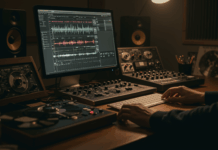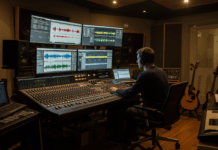

As the landscape of music production evolves, subscription sample services are emerging as game-changers, offering unprecedented access to expansive sound libraries at a fraction of traditional costs. Ranging from $10 to $30 a month, these platforms not only promote creativity by encouraging experimentation but also ensure that users stay ahead of the latest music production trends. With continuous updates and a plethora of audio samples across various genres, subscription services redefine affordability and accessibility in a way that empowers producers from all walks of life. Are these services the future of music production? Let’s dive deeper into how they are revolutionizing the way we create and collaborate.
Are Subscription Sample Services Revolutionizing Music Production?
Subscription sample services are indeed making waves in the world of music production by offering unprecedented access to vast libraries of sounds for a manageable monthly fee, typically between $10 and $30.
This new model not only democratizes music making but also encourages experimentation, allowing producers to explore a diverse range of sounds without the fear of overspending.
With regular updates, these services keep producers in touch with the latest music production trends, ensuring that their collections remain fresh and relevant.
The flexibility these platforms provide makes them particularly appealing for independent artists and small producers who may not have the budget for costly sample packs.
As a result, subscription services redefine what it means to be accessible in music production.
They allow users to make informed creative choices based on their specific needs, potentially turning the traditional approach of purchasing samples on its head.
However, while many embrace the affordability and variety, others worry about quality control within such extensive libraries.
Producers often find themselves navigating a sea of options, where high-quality sounds can become buried beneath less desirable ones, causing confusion and decision fatigue.
Despite these challenges, subscription sample services continue to pave the way for a more inclusive and innovative music production landscape.
As technology evolves, these platforms are likely to become a staple in how music is created, shaping not just individual projects but the music industry as a whole.
Advantages of Subscription Sample Services for Music Producers
Subscription sample services offer music producers access to extensive libraries of professional audio samples across various genres, creating a dynamic environment for creativity.
One significant advantage is affordability. With subscription models typically costing between $10 to $30 per month, these services provide an economical way for producers to access high-quality sounds without the high upfront costs often associated with purchasing individual sample packs.
This cost-effective approach encourages experimentation, allowing producers to explore diverse sound options without the fear of overspending. The flexibility of easily canceling or adjusting subscriptions caters to the demands of individual workflows, making it user-friendly.
Constant updates ensure that the libraries stay fresh, reflecting current trends in music production. This feature allows producers to stay ahead of the curve, incorporating the latest sounds into their projects.
Additionally, many platforms promote collaboration among users, enhancing the creative experience. By sharing samples, creating community projects, and offering forums for interaction, subscription services foster a sense of unity and collaboration, translating to richer musical compositions.
Royalty-free music production is another critical benefit. With clear licensing agreements in place, producers can utilize these samples without legal worries, paving the way for smooth creative processes and confident outputs.
Lastly, subscription services contribute significantly to workflow efficiency. The ease of accessing a vast range of sounds at any moment facilitates a seamless creative experience, allowing producers to focus more on crafting their music rather than hunting for suitable samples.
Ultimately, subscription sample services present multiple advantages, significantly impacting how music producers create, collaborate, and innovate in today’s rapidly evolving digital landscape.
Challenges Faced by Subscription Sample Services
Subscription sample services offer an appealing model for music producers, but they come with a set of notable challenges.
Concerns around quality control are prevalent, as the sheer volume of available samples can lead to a mixed bag when it comes to sound excellence. Producers often fear that an influx of samples might result in a dilution of quality, forcing them to sift through unsuitable sounds to find gems.
Moreover, the issue of ownership weighs heavily on many users. When samples are accessed through subscription services, producers may feel a lack of control over their sound libraries. Unlike outright purchasing, where ownership is unquestionable, subscriptions tie users to ongoing payments and service availability.
There’s also the complication of music licensing. Many subscribers express frustration regarding the limitations imposed on using samples for commercial purposes, which can restrict creative freedom. Without a clear understanding of licensing agreements, producers risk running afoul of copyright laws.
The overwhelming volume of choices can lead to choice paralysis. This abundance might initially seem beneficial, but it can hinder the creative process as users struggle to narrow down their selections.
Finally, comparing subscription services to traditional practices highlights these issues. While subscriptions provide instant access and variety, the potential drawbacks can raise questions about the long-term sustainability of this model in artistic and financial terms.
In summary, while subscription sample services promise access and convenience, their challenges around quality, ownership, and licensing must be carefully navigated.
The Future of Music Production: Subscription Models vs. Traditional Methods
The rise of subscription models in music production signals a significant shift towards sustainable revenue strategies for creators.
As producers increasingly seek flexibility and cost-effective solutions, the appeal of subscription models appears to be growing. Current projections suggest that subscriptions could increase from making up 25% of revenues to nearly 33% by 2030. This trend aligns with the increasing prevalence of digital platforms and highlights the evolving landscape of contemporary music trends.
Traditional purchasing methods often require substantial upfront investments, limiting access for independent artists.
Conversely, subscription services enable producers to access vast libraries of sounds for a fraction of that cost, fostering a more inclusive environment for music creation.
This new model encourages experimentation and innovation, allowing users to discover various genres without the burden of hefty expenses.
However, the reliance on subscription-based services also raises questions about the impact on traditional music scenes.
Many producers fear that over-reliance on pre-made samples may compromise originality, leading to a homogenized sound across genres.
Moreover, the sheer volume of available samples can lead to choice paralysis, making it challenging for musicians to find their unique voice.
Regarding music technology innovation, subscription models could incentivize developers to consistently update libraries and improve offerings, creating a more dynamic creator ecosystem.
This potential for continuous innovation contrasts sharply with traditional methods, where once-purchased samples often become obsolete or neglected over time.
Ultimately, the future of music production seems poised to embrace subscription models, balancing accessibility, creativity, and sustainability while still addressing the challenges posed to traditional methods.
The success of these models will depend on how well they adapt to the needs of music creators seeking both artistic expression and financial viability.
User Experiences and Feedback on Subscription Sample Services
Users report a mixed bag of experiences with subscription sample services, highlighting both the satisfaction derived from access to extensive libraries and frustrations stemming from quality inconsistencies.
Many producers appreciate the sheer volume of sounds available to them through these platforms, stating that it allows for enhanced creativity and experimentation. The ability to easily explore various genres without financial concern encourages users to step outside their comfort zone.
However, the feedback is not all positive. Some users express disappointment with the quality of certain samples. The vast libraries can include a mix of high-quality and less desirable sounds, leading to feelings of overwhelm when trying to sift through options.
Community engagement plays a significant role in shaping user experiences. Many platforms foster collaborative environments where producers can share their works and provide feedback to one another. This interaction not only builds a sense of camaraderie but also influences what users seek in future updates.
Notably, personal testimonials often cite the supportive network available through subscription services as a highlight. Producers appreciate the opportunity to gain insights and advice from peers, creating valuable feedback loops that enhance their overall music production journey.
Ultimately, user experiences reveal a dichotomy; while the opportunities for creativity and community are substantial, the challenge of maintaining sound quality can overshadow the benefits of convenience and accessibility.
Trends in Subscription Services and Their Impact on Music Production
The landscape of subscription sample services is continually evolving, characterized by several key trends that shape music production.
One significant trend is the rise of genre-specific libraries, allowing producers to delve deeper into niche markets and explore distinct sounds that reflect their creative intentions.
Enhanced user interfaces streamline the experience, making it easier for producers of all skill levels to navigate and curate their sound collections efficiently.
Moreover, there’s a growing emphasis on educational resources integrated within these platforms. These resources empower aspiring musicians with tutorials, samples, and tips, significantly contributing to their learning and growth in DIY music production.
This expansion of features fosters a community of experimentation, where music creators feel encouraged to explore new genres and styles without the financial burden of extensive upfront purchases.
These subscription models promote accessibility, allowing a diverse range of voices to emerge in the ever-changing music landscape, driving innovation and collaboration among producers.
As these trends continue to develop, they reshape not only individual workflows but also the broader culture of music production, paving the way for a more inclusive and dynamic industry.
In conclusion, the rise of subscription sample services marks a pivotal change in the landscape of music production.
These platforms provide unparalleled access to a vast array of sounds, encouraging creativity while significantly reducing costs.
While there are challenges, such as the potential risk of diminished originality and the need for understanding licensing agreements, the advantages often outweigh these concerns.
As we look towards the future, it seems increasingly likely that such services will shape how music is created, produced, and consumed.
Ultimately, the question remains: are subscription sample services the future of music production? Given their flexibility and growing popularity, it’s a proposition that many producers are beginning to embrace wholeheartedly.
FAQ
Q: What are subscription sample services in music production?
A: Subscription sample services provide music producers access to diverse sound libraries for a monthly fee, allowing unlimited downloads to experiment without significant upfront costs.
Q: What are the benefits of using subscription sample services?
A: Subscription services offer cost savings, diverse sound options, and continuous updates, fostering greater creativity and allowing producers to explore various styles without commitment.
Q: What challenges do subscription sample services present to producers?
A: While offering accessibility, challenges include potential over-reliance on pre-made samples, managing extensive libraries, and understanding licensing agreements to avoid copyright issues.
Q: How do subscription sample services compare to traditional purchasing methods?
A: Subscription models enhance accessibility and sound diversity, while traditional purchasing offers control and permanence over sound libraries. Each method caters to different producer preferences.
Q: What is the future of music production with subscription models?
A: Subscription services are shaping digital audio production, fostering innovative practices and creating an inclusive environment, which may become standard tools in the evolving music landscape.