
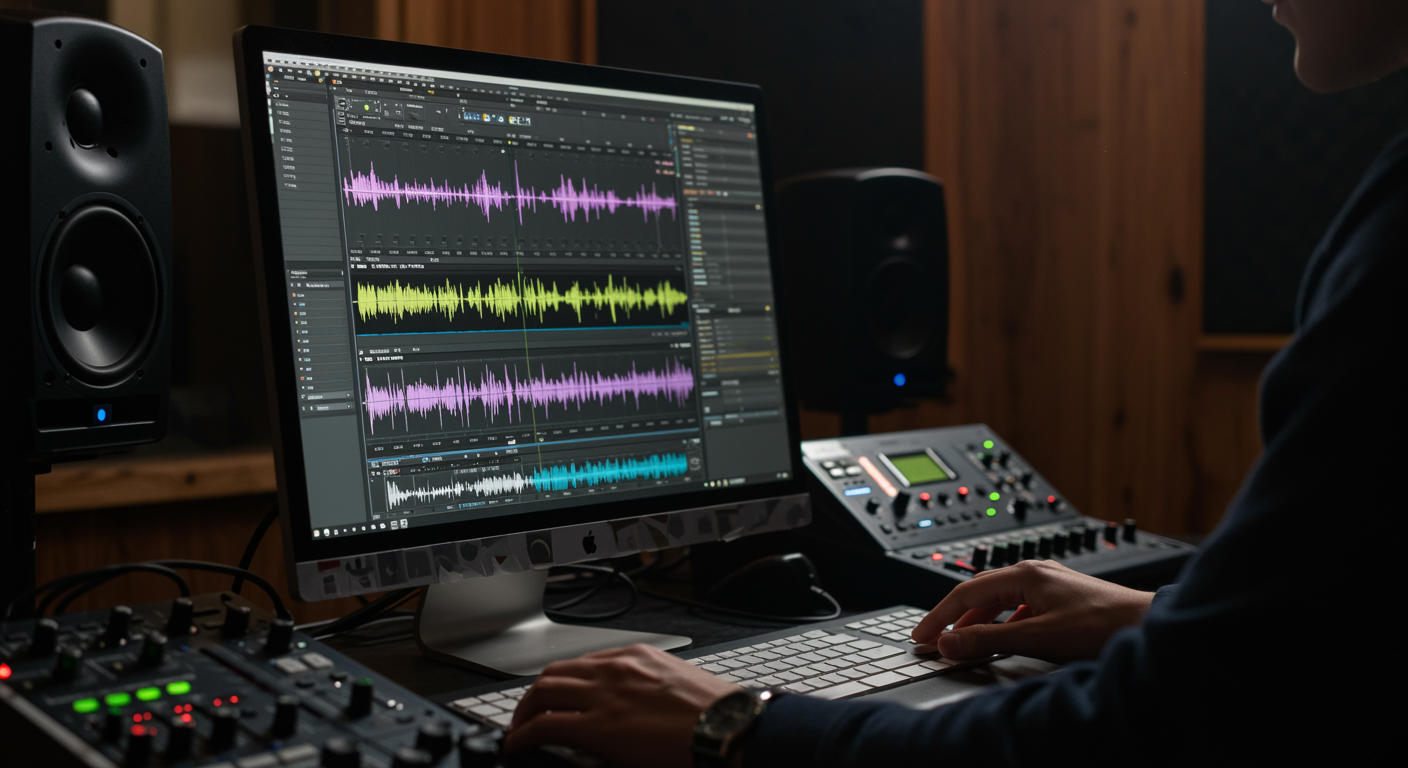
Creative vocal chop techniques for modern EDM production involve meticulously slicing, re-arranging, pitching, and heavily processing vocal samples to transform them into percussive elements, melodic hooks, or atmospheric textures. Producers use a combination of precise editing, effects like reverb, delay, distortion, and modulation, often within samplers or dedicated plugins, to sculpt unique sounds that drive the energy and character of a track. Mastering these vocal sample manipulation techniques is essential for unique sound design.
Sourcing and Preparing Vocal Material
The foundation of effective vocal chops lies in selecting the right source material. While acapellas are ideal, any vocal recording with clear articulation and minimal background noise can be transformed. Producers often seek out dry, unprocessed vocals to maintain maximum control over the sound design process. Lengths can vary from short one-shots to longer phrases, each offering different creative possibilities. Prior to chopping, basic noise reduction and gentle EQ might be applied to clean up the audio, ensuring a pristine starting point for manipulation.
Once selected, preparing the vocal sample involves careful editing within your Digital Audio Workstation (DAW). This typically includes identifying rhythmic or melodic snippets that can be isolated. Transposing the entire vocal to the track’s key before chopping can simplify melodic integration later, although some producers prefer to chop first and then pitch individual pieces for more dynamic results. Marking transient points or beat divisions within the sample can guide the slicing process, laying the groundwork for precise rhythmic placement.
Many producers also experiment with pre-processing the raw vocal with subtle effects before slicing. A touch of compression can make the vocal more uniform, while a mild chorus or phaser can add character that becomes more pronounced when chopped. However, extreme processing at this stage is generally avoided, as it can limit the flexibility for further sound design. The goal is to create a versatile palette of sounds that can be twisted and reshaped into unique elements within the EDM track.
Core Slicing and Arrangement Methods
The most fundamental aspect of creating vocal chops involves slicing the source material. This can be done manually, cutting individual words, syllables, or even shorter fragments at transients, or automatically using a sampler’s beat-slicing functions. Manual slicing offers granular control, allowing producers to handpick the most impactful sounds, while automatic methods can generate unexpected rhythmic patterns quickly. The chosen slices are then typically loaded into a sampler or an instrument rack for easy playback and manipulation via MIDI. To enhance your workflow, consider exploring various sampler free plugins.
Arranging these vocal slices into rhythmic and melodic patterns is where true creativity begins. By sequencing individual chops on a MIDI grid, producers can construct entirely new melodies and percussive lines that were not present in the original vocal. Experimenting with different playback orders, reversing certain chops, or even layering multiple short fragments can yield complex and engaging textures. Varying the velocity and timing of each chop can also inject human-like feel and groove into the otherwise static samples.
Beyond simple sequencing, advanced arrangement methods include creating call-and-response patterns between different vocal chops, or integrating them with other instrumental elements. For example, a short, percussive vocal chop might answer a synth lead phrase, or provide a rhythmic counterpoint to the main drum beat. The key is to treat vocal chops as versatile musical instruments, capable of carrying melodic weight, rhythmic drive, or harmonic texture, pushing the boundaries of traditional vocal use in modern EDM production.
Transformative Effects Processing
Once the vocal chops are arranged, applying a range of effects is crucial for shaping their character and making them sit well within an EDM mix. Standard tools include equalization (EQ) to carve out frequencies and ensure the chops don’t clash with other elements, and compression to control dynamics and add punch. Often, producers will use aggressive EQ cuts on low-end frequencies to prevent muddiness and boost high-end for crispness and presence. Saturation or distortion can also be used to add grit, harmonics, and a sense of power, making the chops cut through the mix.
Time-based effects like reverb and delay are indispensable for creating depth, space, and movement. Short, tight reverbs can give vocal chops a sense of cohesion and place them within the track’s sonic environment, while longer, more ambient reverbs can transform them into atmospheric pads or washes. Delays, especially rhythmic ones synced to the track’s tempo, can create intricate echo patterns, build tension, or extend the perceived length of a chop. Automation of delay feedback or dry/wet controls can add dynamic variations throughout a phrase.
Modulation effects further push the creative potential of vocal chops. Auto-filters, controlled by LFOs, can create sweeping frequency movements, adding a dynamic, evolving quality. Tremolo or auto-pan effects can introduce rhythmic amplitude or spatial variations, making the chops dance across the stereo field. Pitch shifting, both subtle and extreme, can totally alter the timbre, transforming a human voice into an otherworldly synth-like sound. Even granular synthesis techniques, offered by some plugins, can break down vocal samples into tiny grains, reassembling them into entirely new, evolving textures.
Integrating Chops with Other Production Elements
Seamlessly integrating vocal chops into a full EDM arrangement requires careful consideration of their role and how they interact with other sounds. Often, vocal chops are designed to sit prominently in the mix, acting as lead melodies or defining rhythmic motifs. To achieve this, sidechain compression linked to the kick drum or bassline is frequently applied, creating that characteristic pumping effect that helps the chops breathe and allows the foundational rhythmic elements to cut through, maintaining clarity and groove.
To further enrich texture and impact, producers often focus on layering audio samples for depth. A subtle layer of a synth pad or a filtered noise sweep underneath a vocal chop can add depth and body, while layering multiple vocal chops that play slightly different melodies or rhythmic variations can create a complex, evolving soundscape. Careful attention to panning and stereo width is also crucial; spreading chops across the stereo field can create a wider, more immersive sound, preventing the mix from feeling congested.
The placement of vocal chops within the song structure is equally important. They can be introduced during breakdowns to build anticipation, used as energetic motifs in drops, or subtly woven into verses to add interest. Varying the intensity and processing of chops throughout different sections of a track can help maintain listener engagement. For instance, a heavily processed, aggressive chop might dominate a drop, while a cleaner, more melodic version could lead into a breakdown, demonstrating the versatility of creative vocal chop techniques in modern EDM production.