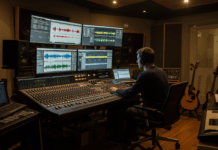

Mastering is the final frontier in the music production journey, the vital step that can turn your good tracks into great ones. Understanding music mastering basics is essential for every producer and sound engineer striving to achieve professional sound quality. This crucial stage involves preparing and polishing your music to ensure it translates beautifully across all playback systems, maintaining clarity, depth, and dynamic range. In this article, we’ll explore the fundamental concepts of mastering, key techniques you should know, and how to prepare your tracks for this transformative process. Whether you’re a beginner or looking to refine your skills, these insights will help elevate your productions to new heights. Let’s dive into the essentials you need to perfect your tracks!
Understanding Music Mastering Basics: What You Need to Know
Mastering is the crucial final step in music production that transforms mixes into polished products ready for distribution.
It ensures the audio sounds great on all playback systems, enhancing overall clarity, dynamic range, and loudness.
The mastering process involves several essential steps:
Preparation: Before you start mastering, ensure your mix is clean, balanced, and ready to be refined.
Equalization: EQ is used to address frequency imbalances, eliminating muddiness or dullness while enhancing clarity.
Dynamic Control: Compression is essential for controlling peaks and ensuring a consistent dynamic range that maintains the emotional impact of the music.
Limiting: This step optimizes loudness without distorting the audio, allowing the track to compete in volume while preserving its characteristics.
Final Touches: Consider the medium for distribution—whether it’s digital streaming, vinyl, or CD—and tailor your sound accordingly.
Checking Levels: It’s vital to monitor levels, ensuring there’s enough headroom to avoid clipping and distortion.
Critical Listening: Take breaks to refresh your ears and listen through different systems to ensure a consistent sound everywhere.
While self-mastering is possible, the expertise of a professional mastering engineer can significantly enhance the final result, ensuring your music meets the high standards expected in the industry. Embracing mastering not only polishes your sound but also prepares your music for the world to hear.
Key Techniques in Music Mastering for Beginners
Mastering involves several key techniques that help elevate your music to a professional standard.
Understanding EQ is fundamental for beginners. EQ allows you to balance frequency ranges effectively. When applied correctly, it carves out space for each element in the mix, ensuring clarity and preventing muddiness. Focus on cutting troublesome frequencies rather than boosting, as this often leads to a more natural sound.
Dynamic range management is another essential skill. Control volume fluctuations within your track without squashing its life. Use compression to tame peaks while maintaining the expressive dynamics. Aim for a gentle compression ratio, ensuring the track retains energy and emotion.
Loudness levels must be carefully managed to meet industry standards, particularly for streaming platforms. Target around -14 LUFS for optimal loudness without sacrificing dynamic range. This balance ensures your track sounds robust and engaging while still allowing for moments of quiet and intensity.
Proper monitoring is crucial; listen at various playback levels to assess your mastering decisions accurately.
Here’s a quick list of essential techniques beginners should focus on:
Equalization: Prioritize cutting frequencies instead of boosting to maintain audio clarity.
Compression: Apply gentle compression to control dynamics without losing expressiveness.
Loudness Management: Target -14 LUFS for competitive loudness across platforms.
Dynamic Range Preservation: Ensure the track contains both lively peaks and softer moments.
Reference Tracks: Use professionally mastered tracks as benchmarks for sound quality and loudness.
With these techniques, you’ll lay the groundwork for effective mastering, enhancing the quality of your music while ensuring it translates well across various playback systems.
Preparing Tracks for Mastering: The Essential Steps
Preparing tracks for mastering is a crucial aspect of the music production process.
Start by finalizing your mix. Ensure that all elements are balanced, and the track flows seamlessly. This foundation will make the mastering process smooth and effective.
Next, check for clipping. It’s vital to keep peak levels from exceeding 0 dB to avoid unwanted distortion. Aim for a headroom of at least -6 dB, allowing space for adjustments during mastering.
Here are some essential steps to follow before handing your mix over for mastering:
Check Loudness Levels: Make sure your track’s loudness is competitive without sacrificing dynamics or clarity. Use LUFS meters to guide you.
Flush Out Unwanted Frequencies: Clean the mix by removing any unnecessary noise or frequencies that might muddy the sound.
Use Reference Tracks: Compare your mix to professionally mastered songs in the same genre. This can help you maintain industry standards in volume and tonal balance.
Export Correctly: Ensure you export your mix in a high-resolution format, typically 24-bit WAV or AIFF, to preserve audio quality.
Document Your Settings: Make notes on your mix settings or any specific nuances you feel are crucial for the mastering engineer to know.
Common mastering mistakes often stem from neglecting these steps. It’s easy to overlook critical details when you’re close to your work.
Focusing on these preparations will help you avoid major pitfalls and maintain the integrity of your audio as it moves into the mastering phase.
The Role of a Mastering Engineer: Understanding the Professional’s Impact
A mastering engineer plays a pivotal role in the final audio polishing process, ensuring that your music reaches its full potential before distribution. Their expertise lies in utilizing specialized tools and techniques that enhance sound quality, clarity, and cohesion across various formats.
One of the primary benefits of hiring a mastering engineer is their ability to ensure your track translates well across different playback systems, from professional studio monitors to earbud headphones. This understanding of audio dynamics allows them to optimize both average and peak loudness levels without compromising the track’s emotional impact.
When choosing a mastering service, consider the following factors:
Experience: Look for professionals with a proven track record in your specific genre.
Portfolio: Review their previous work to see if their sound and style align with your vision.
Communication: Effective communication is crucial; a good mastering engineer should understand your goals and expectations.
Reviews: Seek out testimonials from other artists to gauge their reputation and reliability.
Opting for professional mastering can significantly elevate the quality of your music, enhancing its marketability and listenability in an increasingly competitive landscape.
Common Mastering Mistakes and How to Avoid Them
Common mistakes in mastering can derail the intended sonic experience of your track. Here’s how to avoid them and refine your workflow.
Over-Compression: Many beginners fall into the trap of over-compressing their masters, leading to a lifeless sound. Instead, aim for a balanced approach that preserves dynamics while enhancing overall volume.
Ignoring Loudness Standards: Different platforms have varying loudness standards. For example, streaming services generally favor around -14 LUFS. Familiarize yourself with these standards to ensure your track meets industry expectations without sounding overly loud or flat.
Neglecting Audio Artifacts: Failing to check for unwanted audio artifacts, such as clicks or frequency issues, can mar your master. Before finalizing, conduct an attentive listen, preferably on different systems, to catch any anomalies.
Lack of Headroom in Mixes: Not incorporating enough headroom can cause distortion in mastering. Aim for about -6 dB of headroom in your mix, allowing ample space for mastering processes to work effectively.
Forgetting Reference Tracks: Using reference tracks is a powerful tool in mastering. They provide a point of comparison for loudness, tonal balance, and overall quality. Don’t skip this step; it helps align your master with industry standards.
Developing a clear mastering workflow can drastically minimize these mistakes. Establish a systematic approach that includes critical listening, referencing industry tracks, and adhering to standards for loudness and dynamic range. Each step helps in achieving a polished, professional sound.
Exploring Mastering Tools and Software
A robust understanding of mastering tools and software is essential for successful audio mastering. Various plugins play crucial roles in shaping the sound of your tracks.
Key tools include:
Equalizers (EQs): These are vital for managing frequencies. EQs help enhance or reduce specific frequency ranges, allowing you to eliminate muddiness or bring clarity to vocal elements.
Compressors: These tools control the dynamic range by reducing the volume of loud sounds and boosting softer ones. Effective compression helps maintain a smooth, balanced sound.
Limiters: Used to prevent audio from peaking above a certain level, limiters essentially “cap” the loudest parts of the track. This is crucial for maintaining volume without distortion.
Specialized mastering plugins: These often combine several functions tailored for mastering, equipped with features that help refine the final sound. They frequently offer presets that can help beginners achieve a polished sound quickly.
When choosing between analog and digital mastering, there are distinct considerations.
Analog mastering typically involves using hardware units for processing, which can impart a unique warmth and character to the sound.
However, analog setups can be bulkier, more expensive, and less flexible for adjustments.
Digital mastering, on the other hand, utilizes software and plugins, providing convenience and a vast array of tools at your fingertips. It also allows for easy recall of settings and modifications.
Consider the following table that summarizes the differences between analog and digital mastering:
| Feature | Analog Mastering | Digital Mastering |
|---|---|---|
| Sound Character | Warm, rich | Clean, precise |
| Setup Cost | High | Varies, often lower |
| Flexibility | Limited | High |
| Ease of Use | Higher learning curve | User-friendly |
Understanding these tools and their functionalities equips you with the knowledge required to make informed decisions in your mastering journey. Selecting the right tools can significantly impact the quality of your final mix, ensuring it stands out in a competitive music landscape.
In conclusion, understanding the fundamentals of music mastering is vital for any aspiring music producer or sound engineer. Mastering is not merely the final touch; it’s the transformative process that enhances your mix, ensuring it stands out in a crowded market. As we’ve explored, knowing the audio mastering process, utilizing the right tools, and recognizing the differences between mastering and mixing are essential components of a successful mastering workflow.
Moreover, being aware of common mistakes and understanding the nuances of loudness levels can significantly elevate the quality of your final product. Remember, mastering isn’t one-size-fits-all; it’s crucial to tailor your techniques according to the specific genre you’re working with.
As you navigate through these music mastering basics, keep honing your skills, stay informed about best practices, and don’t hesitate to seek the expertise of a professional when necessary. Your journey into the world of music mastering will greatly enhance your music production efforts, ensuring that your tracks shine brightly in the vast landscape of sound. Music mastering basics. You need to know.
FAQ
Q: What is music mastering?
A: Music mastering is the final step in music production, enhancing mixes to ensure they sound polished and translate well across various playback systems.
Q: How does mastering differ from mixing?
A: Mixing balances individual song elements, while mastering unifies the overall sound, enhancing loudness, stereo width, and EQ balance for consistent playback.
Q: What are the key goals of mastering?
A: The goals of mastering include achieving clarity and cohesion, maintaining consistency across platforms, ensuring competitive loudness, and preparing tracks for different formats.
Q: What essential techniques should beginners focus on for mastering?
A: Beginners should prioritize understanding equalization, dynamic control through compression, and utilizing limiting effectively to enhance their tracks.
Q: Why are reference tracks important in mastering?
A: Reference tracks guide the mastering process, helping you achieve a polished sound that aligns with industry standards and enhances emotional impact.
Q: What common mistakes should I avoid during mastering?
A: Common mistakes include over-compression, neglecting to use reference tracks, and lacking headroom in mixes. Being aware of these pitfalls can improve your results.
Q: How should I manage loudness levels in my master?
A: Aim for around -14 LUFS for streaming platforms to balance loudness and dynamic range while maintaining emotional impact without sacrificing quality.
Q: What tools are essential for mastering music?
A: Essential tools include equalizers, compressors, limiters, and specialized mastering plugins, all crucial for achieving the best sound quality.
Q: How can I ensure my mastered track sounds good across different systems?
A: Test your master on headphones, studio monitors, and various speakers to ensure it translates well and provides a great listening experience everywhere.
Q: What should I keep in mind while mastering for different genres?
A: Tailor your techniques to the specific needs of each genre, as different styles may require unique approaches to achieve the desired sound characteristics.