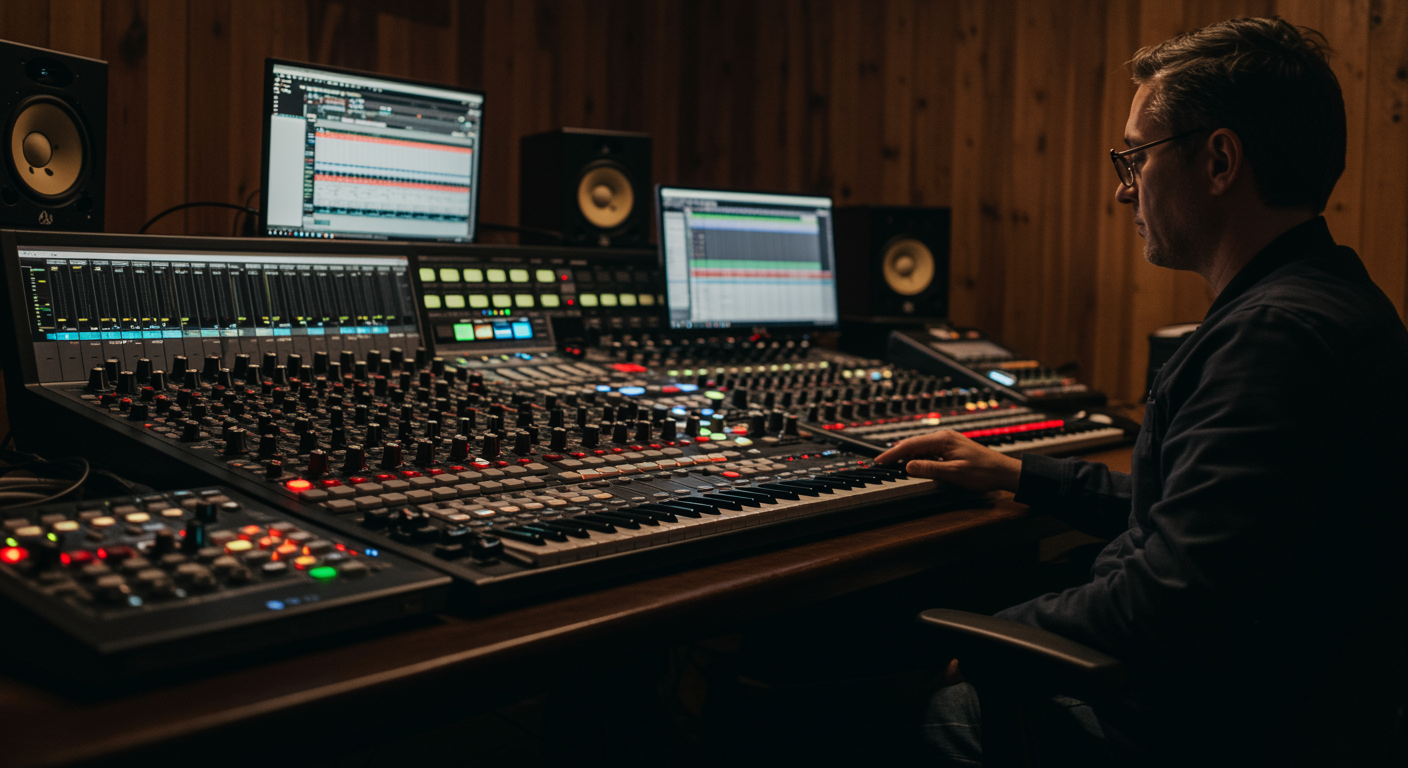
Using orchestral samples in electronic music production involves carefully selecting high-quality sample libraries, integrating them technically into a Digital Audio Workstation (DAW) through MIDI, and employing creative arrangement and mixing techniques to seamlessly blend the organic textures of orchestral instruments with synthetic sounds, enriching the sonic landscape with depth, emotion, and cinematic grandeur. This synthesis allows producers to achieve a distinctive sound that combines the power of traditional orchestration with the innovative rhythmic and textural possibilities of electronic music.
Why Incorporate Orchestral Elements?
The integration of orchestral samples into electronic music production offers a transformative pathway for producers seeking to infuse their tracks with unparalleled emotional depth and a grander sonic scope. Beyond the synthetic soundscapes often associated with electronic genres, orchestral elements introduce an organic warmth and human touch that resonates deeply with listeners. This blend can evoke powerful imagery, transforming a dance track into a narrative journey or a melodic piece into a cinematic experience.
One primary advantage is the ability to create dynamic contrasts. Electronic music often relies on repetitive structures and sustained energies. Introducing the sweeping arcs of strings, the heroic fanfares of brass, or the delicate whispers of woodwinds can provide dramatic shifts in intensity and mood. These organic textures break up potential monotony, adding layers of complexity and sophistication that keep the listener engaged throughout the composition. The juxtaposition of crisp electronic drums with epic orchestral percussion, for example, can create a powerful, driving rhythm that feels both modern and timeless.
Furthermore, orchestral samples significantly expand a producer’s sonic palette, moving beyond the confines of synthesizers and drum machines. They unlock access to a vast array of timbres and articulations that are difficult, if not impossible, to synthesize realistically. This includes the subtle nuances of a bowed violin, the resonant power of a French horn, or the intricate glissandos of a harp. Such diversity allows for richer harmonies, more intricate melodies, and more compelling textural arrangements, contributing to a truly unique and memorable sound signature for any electronic track.
This integration is not limited to specific electronic genres; its versatility makes it applicable across a wide spectrum. From adding epic breakdowns to trance anthems, infusing dramatic tension into techno, giving progressive house tracks a soaring emotional core, or building expansive soundscapes for future bass, orchestral elements find their place. They can serve as primary melodic hooks, atmospheric pads, rhythmic accents, or even subtle background textures, providing endless creative avenues for producers to explore and redefine their musical boundaries.
Selecting the Right Orchestral Sample Libraries
Choosing the appropriate orchestral sample libraries is a foundational step in successfully integrating these elements into electronic music. The market offers a vast array of options, each with distinct characteristics regarding realism, flexibility, and sonic footprint. Producers must consider the type of orchestral sounds they aim to achieve, whether it’s a full, cinematic sound, intimate chamber textures, or specific instrumental sections like powerful brass or delicate strings.
Sample libraries typically range from individual instruments and small sections (e.g., first violins, cellos, solo trumpet) to full orchestral ensembles, providing comprehensive collections. Beyond standard instrument patches, many libraries include specialized articulations such as legato, staccato, pizzicato, tremolo, and various bowing techniques for strings, or swells, rips, and mutes for brass. The presence and quality of these articulations are crucial for achieving realism and expressiveness, enabling the samples to mimic the natural performance of live musicians rather than sounding static or artificial.
Key factors distinguishing high-quality libraries include the number of dynamic layers and round robins. Dynamic layers refer to the multiple velocity levels recorded for each note, allowing for a smooth transition from soft to loud playing. Round robins involve recording multiple slight variations of the same note at the same velocity, which helps prevent the “machine gun” effect when rapid notes are played, enhancing naturalness. Libraries from developers like Spitfire Audio, Orchestral Tools, Cinesamples, and EastWest are renowned for their meticulous recording techniques and extensive articulations, often hosted within platforms like Native Instruments Kontakt.
Producers also face the choice between free and paid sample libraries. While free options can be a good starting point for experimentation, they often come with limitations in terms of dynamic range, articulation variety, and overall sonic fidelity. Paid libraries, while a significant investment, typically offer superior sound quality, deeper sampling, more articulations, and often advanced scripting that provides greater control over performance parameters. It’s advisable to research reviews, listen to demos, and, if possible, try out lighter versions or demos of libraries before committing, ensuring they align with the desired aesthetic and production workflow for specific needs, whether it’s an epic string ensemble, a dramatic brass fanfare, or subtle woodwind flourishes.
Technical Integration and Workflow
Successfully weaving orchestral samples into electronic music production hinges on proficient technical integration within a Digital Audio Workstation (DAW). The initial setup involves creating dedicated MIDI tracks for each orchestral instrument or section. This allows for individual control over parameters like volume, panning, and effects, crucial for sculpting a cohesive mix. Effective routing is also vital; often, grouping similar orchestral elements (e.g., all strings, all brass) onto auxiliary buses allows for unified processing with effects like reverb or compression, giving them a shared sonic space.
MIDI programming is where the samples truly come to life. Beyond simply triggering notes, producers must leverage MIDI velocity to control the dynamic intensity of the samples, mirroring how a live musician plays softer or louder. Crucially, continuous controller (CC) automation, particularly for parameters like expression (CC11) and vibrato (CC1), is indispensable. These parameters allow for fluid dynamic changes, crescendos, diminuendos, and realistic vibrato modulation, which are hallmark characteristics of acoustic instrument performance. Without careful CC automation, even the best samples can sound static and lifeless, failing to convey the natural ebb and flow of orchestral playing.
Layering is another powerful technique. Combining multiple orchestral samples can create richer, more complex textures. For more insights on how to achieve rich and full mixes, consider exploring layering audio samples for depth. For instance, layering a sustained string patch with a more aggressive, short-attack string sample can yield a fuller, more impactful sound. Similarly, blending orchestral sounds with synthetic pads or leads can bridge the gap between organic and electronic elements, creating unique hybrid timbres. Care must be taken to ensure layers complement each other without creating frequency clashes or phase issues, which often requires subtle EQ adjustments.
Basic processing with EQ and compression is essential even before delving into creative effects. Equalization helps carve out specific frequency spaces for each orchestral element, ensuring they sit well within the overall mix without clashing with electronic components. High-pass filters are frequently used to remove unnecessary low-end rumble, especially from samples that aren’t intended to occupy the bass frequencies. Compression, applied subtly, can help manage the often-wide dynamic range of orchestral samples, bringing them more in line with the typically more compressed electronic elements, ensuring they don’t get lost or overwhelm other sounds. To gain a full understanding of this essential tool, explore compressor plugins explained. These initial steps lay the groundwork for a balanced and professional-sounding integration.
Creative Arrangement and Composition Techniques
Beyond technical implementation, the true artistry of using orchestral samples in electronic music lies in their creative arrangement and compositional application. Samples can serve various roles, from providing the main melodic framework to subtle atmospheric backing. When using them as primary melodic elements, focus on writing lines that respect the natural range and characteristics of the emulated instrument. A violin melody, for instance, should sound like something a violinist could realistically play, incorporating appropriate phrasing and legato.
Understanding counterpoint and harmony is crucial for ensuring orchestral parts complement, rather than clash with, existing electronic elements. Orchestral harmonies can be rich and complex, offering a strong foundation for electronic leads or pads to sit upon. Conversely, simple, sustained orchestral pads can provide an emotional bed over which intricate electronic arpeggios or drum patterns can dance. The goal is to create a symbiotic relationship where both worlds enhance each other, rather than competing for attention.
Rhythmic interplay is another fertile ground for creativity. Orchestral stabs, pizzicato strings, or percussive brass hits can be synchronized with electronic beats, adding punch and unexpected accents. Alternatively, a soaring orchestral melody can float above a driving electronic rhythm section, creating a sense of uplift and dynamism. Think about how orchestral elements can build rhythmic tension or provide resolution within the electronic framework, driving the track forward with varied energy.
Building tension and release through dynamic changes is a hallmark of orchestral music that translates powerfully to electronic production. Orchestral swells and dramatic crescendos, meticulously automated with MIDI CC data, can lead into powerful drops or breakdowns in an electronic track. Conversely, a gradual diminuendo with fading strings or woodwinds can create moments of introspection before an energetic return. These dynamic arcs provide a compelling narrative structure to the music, guiding the listener through an emotional journey.
Furthermore, orchestral samples can be heavily processed for sound design purposes, transforming them into entirely new textures. Pitch shifting, time stretching, granular synthesis, and extreme effects can morph a classical string section into an ethereal pad or a brass hit into an industrial impact. This approach blurs the lines between traditional instrumentation and modern sound design, allowing producers to create unique sonic identities that defy easy categorization. Genre-specific considerations also play a role; a trance track might demand epic, soaring strings, while a deep house track might benefit from subtle, melancholic string pads, showcasing the versatility of orchestral integration.
Mixing and Mastering Orchestral and Electronic Components
The successful fusion of orchestral and electronic elements presents unique challenges in the mixing and mastering stages, primarily due to their inherent differences in dynamic range, timbre, and typical recording environments. The goal is to create a cohesive soundstage where both components coexist harmoniously, each retaining its characteristic presence without overshadowing the other.
One of the foremost considerations is creating a sense of shared space. Orchestral instruments traditionally occupy a wide stereo field within a large acoustic environment like a concert hall. Reverb and delay are crucial for simulating this. Applying a high-quality convolution or algorithmic reverb to a bus containing all orchestral elements can place them in a consistent virtual acoustic space. The decay time and pre-delay of this reverb should be carefully chosen to complement the tempo and overall mood of the electronic track, ensuring the orchestral elements feel integrated rather than merely glued on top. Panning and depth techniques are also essential; placing individual orchestral instruments or sections appropriately in the stereo image and adjusting their relative levels and reverb send amounts can create a convincing sense of three-dimensional space.
Frequency balancing is paramount to avoid a muddy or cluttered mix. Orchestral samples often contain a wide spectrum of frequencies that can clash with electronic basses, synths, or percussion. Aggressive but precise EQ is often necessary. High-pass filters should be applied liberally to orchestral elements that don’t need low-end presence, cleaning up the mix. Conversely, resonant frequencies in electronic instruments might need attenuation to make space for the warmth of strings or the power of brass. Ensuring clarity in the midrange, where much of the character of both orchestral and electronic sounds resides, is vital.
Dynamic control is another critical aspect. Orchestral performances typically exhibit a wide dynamic range, moving from pianissimo to fortissimo, whereas electronic music often features a more compressed and consistent dynamic profile. Judicious use of compression on orchestral buses can help to tame peaks and lift quieter passages, bringing them closer to the dynamic level of the electronic elements without completely crushing their natural expressiveness. Multiband compression might also be useful for managing specific frequency ranges dynamically. Sidechain compression can be effectively employed to duck orchestral pads or sustained notes when the kick drum or main electronic bass hits, creating rhythmic glue and ensuring impact.
During mastering, the hybrid nature of the track requires a nuanced approach. The mastering engineer must balance the natural transients and broad dynamics of the orchestral elements with the often louder and more consistently dense electronic components. The aim is to preserve the emotional impact and dynamic movement of the orchestral parts while achieving the competitive loudness and clarity expected of modern electronic tracks. For a comprehensive guide on achieving a polished final product, learn more about mastering a track. This often involves careful use of limiting and subtle dynamic EQ to maintain overall balance and polish, ensuring the final product sounds cohesive, powerful, and professional across various playback systems.
Common Challenges and Solutions
While the integration of orchestral samples offers immense creative potential, producers frequently encounter specific challenges that can hinder the desired outcome. Addressing these issues proactively ensures a more polished and professional final product.
One prevalent issue is the lack of realism in orchestral playback. Despite advancements in sample library quality, static MIDI programming can still result in artificial-sounding performances. The solution lies in meticulous MIDI editing and automation. Beyond velocity, extensive use of expression (CC11), vibrato (CC1), and dynamics (CC7 or volume) automation is crucial for mimicking human performance. Humanizing MIDI data to introduce subtle timing and velocity variations can also add organic imperfections. Furthermore, understanding and utilizing the correct articulations (e.g., legato for smooth phrases, staccato for short notes, pizzicato for plucked strings) specific to each instrument is paramount. Many modern libraries feature keyswitches or custom scripting to facilitate realistic articulation changes.
Another significant hurdle is achieving a muddy or cluttered mix, where orchestral elements compete for frequency space with electronic sounds. This often occurs when producers layer sounds without proper consideration for their spectral roles. The primary solution involves aggressive and surgical equalization. High-pass filters are your best friend for removing unnecessary low-end rumble from orchestral elements that don’t contribute to the bass foundation. Conversely, using notch filters to scoop out problematic resonant frequencies from both orchestral and electronic components can create crucial pockets of clarity. Panning instruments judiciously and giving each element its own space in the stereo field also aids in de-cluttering the mix, preventing a monolithic sound.
Licensing and copyright considerations can also be a point of confusion. For a deeper dive into this complex topic, it’s crucial to understand music sample copyright laws. Most commercial sample libraries come with specific End User License Agreements (EULAs) that outline how the samples can be used. Generally, samples purchased from reputable libraries are royalty-free for commercial music production. However, it’s vital to read and understand these terms, especially concerning resale or redistribution of the samples themselves. Using samples from copyrighted recordings without proper clearance is a legal risk and should be avoided entirely.
CPU strain is a practical challenge, as high-quality orchestral sample libraries, with their multiple dynamic layers and extensive articulations, can be extremely demanding on a computer’s processor and RAM. Solutions include optimizing DAW settings, increasing buffer size, and, most effectively, freezing or rendering MIDI tracks to audio. This converts the CPU-intensive MIDI playback into static audio files, freeing up resources. Bouncing individual orchestral stems to audio once their MIDI programming is finalized is a common workflow strategy. Additionally, considering lighter versions of libraries for sketching ideas or using a dedicated slave computer for orchestral hosting can alleviate strain during the creative process.
Finally, there’s the danger of overuse. While orchestral elements can add grandeur, an excessive or inappropriate application can sound bloated, artificial, or simply distracting. The key is balance and intentionality. Ask whether the orchestral part truly enhances the electronic track or if it’s merely there for novelty. Often, less is more; a well-placed, emotive string pad or a single powerful brass hit can have more impact than a dense, constantly playing full orchestra. Thoughtful arrangement and judicious application ensure that orchestral samples elevate the music rather than weigh it down.