
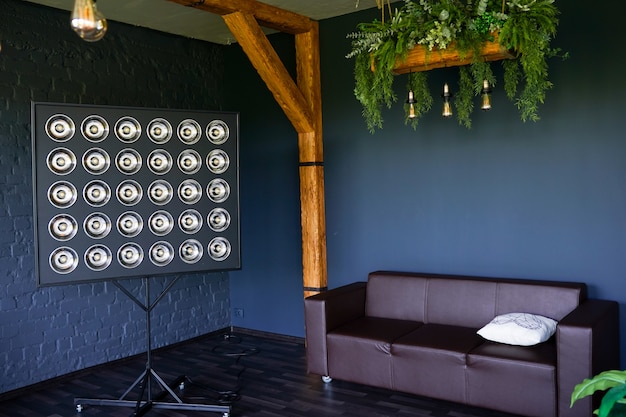
If you’ve ever been frustrated by muddled sound in your favorite listening space, you’re not alone. Understanding how to improve the acoustic of your room is crucial, even for the most sophisticated audio setups. Factors like hard surfaces can lead to undesirable sound reflections, obstructing clarity and richness. Fortunately, by applying fundamental acoustics principles and some practical techniques, you can transform your space into an auditory haven. Let’s dive into key strategies that will elevate your sound experience and make every note resonate as it should.
Understanding How to Improve the Acoustic of Your Room
Understanding room acoustics is crucial for achieving excellent sound quality. Even the most advanced audio equipment can falter in environments that aren’t designed with acoustics in mind.
The principles of acoustics play a significant role in how sound behaves in your space. For instance, hard surfaces like wood, tile, and glass tend to reflect sound waves rather than absorb them. This can lead to excessive echoes, muddling audio clarity and impacting the overall listening experience.
Key Aspects of Sound Reflection and Absorption:
Reflection: Sound waves bounce off hard surfaces, causing interference and muddiness. Avoiding parallel reflective surfaces is pivotal, as they create standing waves that exacerbate sound distortion.
Absorption: Utilizing materials that absorb sound can drastically improve clarity. Soft furnishings including carpets, curtains, and upholstered furniture can help minimize reflections, resulting in a warmer, more balanced sound.
Diffusion: This involves scattering sound waves more evenly throughout the room. Incorporating items like bookshelves can enhance diffusion. They should be filled with books to trap sound more effectively, rather than presenting large flat surfaces for reflection.
Understanding these principles enables you to be proactive about your room design, addressing potential acoustic challenges.
While modern construction methods often favor sleek, reflective materials that enhance aesthetics, they can create significant sound challenges. Balancing aesthetic appeal with functional acoustics is key for creating an enjoyable auditory environment. By strategically applying these fundamental principles, you can effectively improve the acoustic qualities of your room.
Practical Tips to Improve the Acoustic of Your Room
To effectively improve the acoustic of your room, consider these actionable tips:
Incorporate Soft Materials
Using soft materials is one of the most straightforward ways to enhance sound absorption. Heavy rugs, thick curtains, and upholstered furniture can significantly reduce sound reflections.
- Rugs can cover hard floors and absorb sound waves, minimizing echo.
- Curtains, especially when they’re dense and floor-length, can dampen high frequencies and soften the overall sound in the room.
Utilize Furniture Strategically
The placement and type of furniture can either contribute to or hinder sound quality.
- Bookshelves, when filled with books, act as effective sound absorbers. They disrupt sound waves and help mitigate echoes, particularly when positioned away from walls!
- Arrange cabinets and large furniture in ways that break up long, straight surfaces which often amplify sound waves.
Install Acoustic Panels
If you’re looking for a more focused solution, consider installing acoustic panels. These come in various designs and colors, allowing you to choose styles that complement your room decor.
- Panels work by absorbing sound energy, reducing reflections and echoes.
- Aim to place them at reflection points, such as opposite your speakers or sound sources, for maximum effectiveness.
Create Varied Heights
Introducing varied heights in your room layout can prevent sound waves from bouncing directly back toward the source.
- Utilize tall plants, bookcases, or decorative shelving to disrupt sound paths and avoid parallel surfaces that can create echo chambers!
Implement Sound Absorbing Decor
Final touches can make a difference. Use decorative items such as wall hangings or tapestries.
- These not only enhance the aesthetic appeal of your space but serve a dual purpose by absorbing sound!
- Look for art pieces made from fabric or soft materials to effectively decrease noise levels.
By integrating these practical tips, you can significantly enhance the acoustic of your room, creating a more pleasant auditory environment.
Soundproofing Techniques to Enhance Room Acoustics
Implementing effective soundproofing techniques can dramatically improve corner frequencies, leading to a clearer and more balanced audio experience.
In the realm of DIY soundproofing solutions, sound dampening curtains are a top choice. These curtains use heavy materials to absorb sound, reducing noise from outside and minimizing reflections inside the room.
Foam panels are another affordable option known for their sound absorption qualities. When placed strategically on walls and ceilings, they can reduce echo and optimize clarity.
Bass traps serve a crucial function in any space where low frequencies can become overwhelming. Positioning these aids in the corners of your room can significantly mitigate the muddiness often found in bass-heavy audio.
For those interested in a more hands-on approach, building acoustic panels can be a rewarding project. Using wood frames filled with rockwool or fiberglass, these panels can be hung on walls to enhance sound absorption.
Another simple yet effective method involves rearranging furniture to create barriers against sound transmission. Bookshelves filled with books, heavy sofas, or cabinets can help diffuse sound waves, thereby improving general acoustics.
Finally, adding rugs or carpets can soften hard floors and enhance sound quality, adding warmth and richness to the room’s ambiance.
By combining these techniques, you can tailor your space for optimum acoustics, creating a more enjoyable listening environment.
Effective Room Layout Strategies for Better Acoustics
The arrangement of furniture and equipment in a room has a significant impact on its acoustic quality.
To start, proper positioning of speakers is crucial for achieving the best sound. Always keep speakers away from reflective surfaces like walls, windows, and hard furniture. Placing them at least a few feet from these surfaces can drastically reduce unwanted echoes and improve clarity.
When it comes to the layout, consider the following strategies for optimal sound distribution:
Create a Listening Zone: Arrange seating to form a focal point, ideally in a triangular formation with speakers. This ensures that sound waves are traveling directly to listeners without interference.
Use Soft Furnishings: Incorporate items like carpets, curtains, and upholstered furniture. These pieces can absorb sound and help control reflections, creating a warmer acoustic environment.
Strategic Furniture Placement: Avoid placing large pieces of furniture directly in the path of sound waves. Instead, use bookshelves filled with books to diffuse sound. Tall bookshelves can also serve as effective sound barriers, enhancing spatial quality.
Experiment with Speaker Height: Adjust speaker height to align with ear level when seated. This simple tweak can make a noticeable difference in sound clarity and balance.
Monitor Room Symmetry: Aim for a balanced arrangement on both sides of the room. Asymmetrical layouts can lead to uneven sound distribution, resulting in dead spots or overpowering frequencies in certain areas.
By implementing these strategies, you’ll not only enhance the acoustics of your room but also create a more enjoyable audio experience. Adjustments in the layout can lead to clearer sound, making your listening environment far more engaging.
Acoustic Treatment Products for Optimal Performance
Acoustic panels are a go-to choice for improving sound clarity in various spaces. They come in multiple designs, allowing them to blend seamlessly with your room’s decor. These panels work by absorbing sound waves, thereby minimizing excessive reflections and echoes that can muddy audio clarity.
Another option is bass traps, strategically placed in the corners of a room where low frequencies tend to accumulate. Bass traps are designed to target and absorb these lower frequencies, effectively decluttering the sound and enhancing overall audio quality.
Acoustic blankets are another versatile option. They can be hung up to reduce sound reflections and can also be moved easily, making them ideal for those unsure about permanent installations.
If you’re serious about optimizing your acoustic space, consider investing in a professional acoustic evaluation. This service provides tailored insights based on the unique dimensions and characteristics of your room, ensuring that your choice of acoustic treatments is both effective and well-placed.
Finally, do not forget that sound absorption is only part of the solution. Balance your treatment with diffusion materials, which can help prevent the room from sounding overly “dead.” Using a combination of absorbers and diffusers will create a more natural and pleasing listening environment.
By carefully selecting and implementing these acoustic treatment products, you’ll be setting the stage for optimal performance, transforming your space into an auditory haven.
In summary, enhancing your space’s acoustic quality is vital for achieving a true auditory experience.
As we’ve explored, the dimensions and layout of your room, effective acoustic treatment options, and management techniques directly influence sound quality.
By understanding room modes and actively applying DIY soundproofing strategies, you can significantly improve sound clarity, whether in a personal studio or a home theater.
The approach you take in optimizing your space will bring you one step closer to enjoying balanced audio and reducing distortion.
Ultimately, to truly elevate your listening or recording experience, it’s essential to improve the acoustic of your room.
FAQ
Q: What are some simple ways to improve room acoustics?
A: To enhance room acoustics, consider adding furniture to diffuse sound, using soft materials like rugs, and strategically arranging walls.
Q: How can furniture help with sound quality?
A: Adequate furniture can absorb and diffuse sound waves, minimizing reflections, while items such as bookshelves and sofas also contribute to sound absorption.
Q: Why is sound absorption important in a room?
A: Sound absorption reduces echo and noise, facilitating clearer sound quality. Soft materials like curtains and carpets are effective in achieving this.
Q: What is the significance of speaker placement?
A: Proper speaker placement minimizes reflections from hard surfaces, directly impacting audio performance and clarity in your space.
Q: How do room dimensions affect sound quality?
A: Room dimensions contribute to sound behavior, with certain frequencies amplified or reduced, impacting overall audio clarity and coherence.
Q: What DIY solutions can improve acoustics?
A: Cost-effective options include using thick blankets, furniture, or homemade panels to absorb sound and reduce echoes without major renovations.
Q: How can reverberation time be managed for better sound?
A: Managing reverberation time is essential for achieving clarity. This can be done through absorption materials and strategic room design.
Q: What factors should be considered when arranging a home theater?
A: In home theaters, use bass traps, sound-absorbing materials, and effective layouts to optimize acoustics and enhance the overall audio experience.