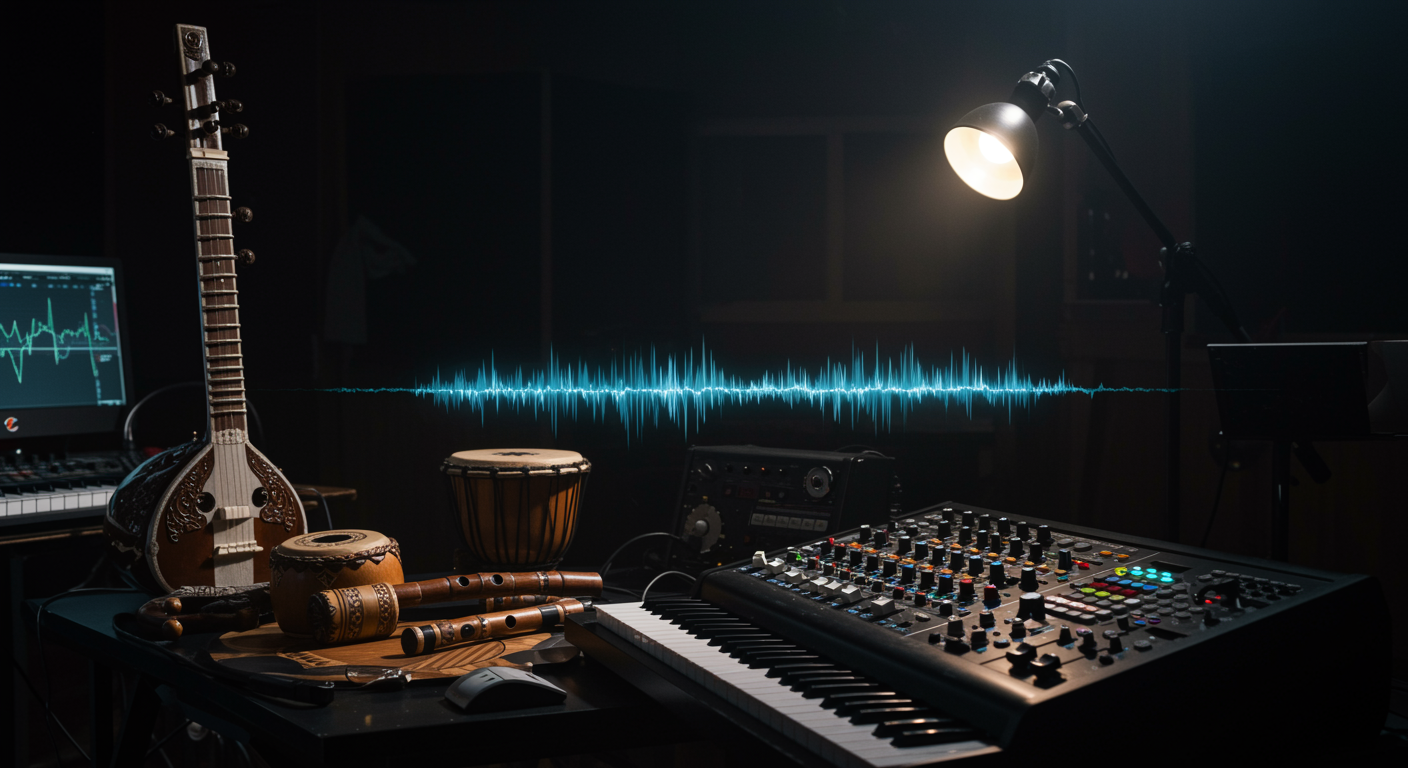
Integrating ethnic instrument samples into electronic music production involves sourcing high-quality, authentic sounds and employing creative production techniques to blend them seamlessly with electronic elements, enriching the sonic palette with unique cultural textures and emotive depth. For pro tips on achieving flawless tracks when mixing live instruments with electronic samples, further resources can be invaluable. This process often includes careful processing, rhythmic alignment, and respectful consideration of the samples’ origins, ultimately creating a distinctive and globally influenced sound that stands out in modern electronic music.
Sourcing Authentic Ethnic Instrument Samples
The foundation of effectively integrating ethnic instrument samples into electronic music production lies in acquiring high-quality and authentic source material. Dedicated sample libraries from reputable developers often provide meticulously recorded and curated collections of instruments from various global cultures, ensuring both sonic fidelity and proper licensing. Companies specializing in world instruments frequently offer packs featuring instruments like the sitar, oud, kalimba, shakuhachi, or djembe, recorded with professional precision in acoustically rich environments. Beyond commercial libraries, independent sound designers and field recordists offer unique, raw captures that can provide a distinct character often missing from more polished studio recordings. Learning about field recording techniques for music samples can open up new avenues for unique sound acquisition. When searching for these “ethnic instrument samples,” producers should prioritize samples that retain the natural nuances and imperfections of the original performance, as these elements contribute significantly to their organic feel and expressive power within an electronic context.
Producers may also delve into niche cultural archives or collaborate directly with musicians specializing in traditional instruments to create custom recordings. This approach ensures maximum authenticity and control over the sound, although it requires a greater investment of time and resources. Regardless of the source, understanding the instrument’s origin, traditional playing techniques, and cultural significance can greatly inform how the sample is subsequently used in electronic music production, fostering a more respectful and impactful integration. Evaluating samples for their dynamic range, clarity, and the natural resonance of the instrument is crucial for ensuring they can hold their own alongside synthesized sounds and electronic drums.
Techniques for Blending Ethnic Sounds
Once acquired, the art of integrating ethnic instrument samples into modern electronic music production involves a range of creative and technical blending techniques. A critical step is using equalization (EQ) to carve out sonic space for the samples within the mix, often by reducing competing frequencies in other elements or boosting the unique characteristics of the ethnic instrument. Compression can then be applied to manage dynamics, helping the sample sit consistently in the track, while subtle saturation or distortion can add warmth, harmonics, and a sense of cohesion with electronic elements. Reverb and delay are indispensable for placing the ethnic samples within a shared acoustic space, making them feel like an intrinsic part of the electronic composition rather than an overlaid element. Carefully chosen reverbs can simulate vast landscapes or intimate settings, enhancing the emotional impact of the instrument.
Beyond standard effects, more experimental sound design techniques can transform ethnic samples to create entirely new textures. Filtering, granular synthesis, time-stretching, and pitch manipulation can morph a traditional flute melody into an ambient pad or a percussive loop into a rhythmic texture. Layering ethnic instrument samples with synthesized sounds is another powerful technique; for example, a subtle synth layer underneath an oud can add sustain and depth without losing the oud’s distinctive timbre. To truly boost mix richness, producers should explore advanced layering audio samples for depth. Creative rhythmic programming also plays a vital role, often involving aligning the ethnic percussion with the electronic beat through careful warping or micro-editing, or allowing a traditional rhythmic phrase to interact playfully with a rigid electronic groove. The goal is always to achieve a natural-sounding fusion where the ethnic and electronic components complement and elevate each other.
Overcoming Integration Challenges in Production
Integrating ethnic instrument samples into electronic music production is not without its challenges, primarily due to the inherent differences between organic, often microtonal instruments and the quantized, tempered nature of electronic music. One significant hurdle is tuning; many traditional instruments from non-Western cultures use scales, modes, or microtonal intervals that do not conform to the standard 12-tone equal temperament. Forcing these samples into a standard tuning can strip them of their authenticity. Producers can address this by subtly retuning the electronic elements to match the sample, using pitch-shifting tools to adjust the sample by cents rather than semitones, or even embracing the slight detuning for a unique, “out-of-tune” character. Advanced pitch correction software can also be used delicately to bring samples into a more harmonious relationship with the rest of the track without sounding artificial.
Rhythmic alignment presents another common challenge. Organic performances often feature subtle timing variations, swing, or polyrhythms that differ from the rigid grid of electronic sequencers. Rather than aggressively quantizing ethnic percussion, which can remove its human feel, producers can use flexible warping and time-stretching tools to gently align key transients while preserving the original groove. Sometimes, allowing a traditional rhythm to float slightly off the grid can create an interesting interplay with the main electronic beat. Cultural sensitivity is paramount; misrepresenting or decontextualizing samples can lead to cultural appropriation. Producers must strive for respectful engagement, understanding the origins and meanings of the sounds they use. Additionally, source material quality can vary, requiring noise reduction, careful editing, or creative processing to enhance clarity and impact without diminishing authenticity.
Legal and Ethical Considerations for Sample Use
When working with ethnic instrument samples in electronic music production, understanding the legal and ethical landscape is crucial to ensure respectful and lawful use. Legally, all samples are subject to copyright. Producers must ensure they are using samples that are either royalty-free, properly licensed from a reputable sample pack developer, or created through their own recordings. Understanding music sample copyright laws is crucial to avoid legal disputes. Many sample libraries come with clear licensing agreements that permit commercial use in music productions, but it’s vital to read these terms carefully, as some licenses may have restrictions on redistribution or derivative works. For bespoke recordings or samples from less conventional sources, obtaining direct permission or a clear license from the original performers or rights holders is the safest course of action.
Ethically, the use of ethnic instrument samples requires a thoughtful approach to avoid cultural appropriation. This means moving beyond simply exoticizing sounds or using them as a superficial garnish without understanding their context. Producers should aim for cultural appreciation, which involves respecting the origin of the sounds, researching their cultural significance, and using them in a way that honors rather than exploits their heritage. This can involve acknowledging sources, sharing information about the instruments, or even collaborating with musicians from the cultures represented by the samples. Mindless or stereotypical use can perpetuate harmful tropes. By approaching ethnic instrument samples with genuine curiosity, respect, and a commitment to proper attribution and licensing, producers can integrate these rich sonic textures into their electronic music in a way that is both creative and responsible.
Genres and Artistic Expression with Ethnic Samples
The integration of ethnic instrument samples has profoundly enriched a wide array of electronic music genres, fostering unique artistic expressions and expanding sonic palettes. In genres like downtempo, ambient, and world fusion, ethnic samples are often employed to evoke a sense of global journey, tranquility, or deep introspection, with instruments like the hang drum, kora, or various flutes adding organic warmth and spatial depth. Progressive house and melodic techno frequently incorporate Middle Eastern or Asian string and wind instruments to build atmospheric tension and create soaring, emotive lead lines that stand out from typical synth-driven melodies. These additions inject a human element and a storytelling quality that resonates deeply with listeners, defining what many call “ethnic instrument samples electronic music production” as a distinct subgenre.
Beyond genre-specific applications, the use of ethnic instrument samples allows artists to forge highly distinctive sonic identities. A producer might consistently weave in sounds from a specific region, creating a signature sound that audiences recognize and connect with a particular cultural influence. This not only enhances the texture and emotional impact of the music but also broadens the creative possibilities for sound design. The juxtaposition of ancient timbres with modern synthesis creates a fascinating tension and synergy, pushing the boundaries of what electronic music can be. By carefully selecting, processing, and blending these sounds, artists can craft narratives that traverse geographical and temporal boundaries, offering listeners an immersive and culturally rich auditory experience that transcends conventional electronic soundscapes.