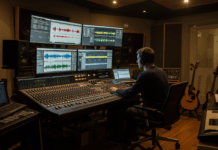

Achieving balance in the mix is more than just a technical skill; it’s the cornerstone of professional sound that elevates a track from mediocre to magnificent. A well-balanced mix not only enhances sonic clarity, allowing each instrument to shine through without muddiness, but it also profoundly impacts the overall listening experience. Understanding the significance of mixing levels, especially in critical frequency ranges, is vital for crafting a polished sound. As we delve into this essential aspect of music production, we’ll explore why balance matters, the strategies for achieving it, and the common pitfalls that can derail your mixing efforts. Whether you’re a seasoned producer or just starting out, mastering the art of balance can transform your tracks into captivating sonic journeys.
The Importance of Balance in the Mix
A well-balanced mix is pivotal for achieving sonic clarity, allowing each instrument to shine without masking others.
Properly managing levels mitigates muddiness and enhances the listener’s experience, creating an engaging sound.
Understanding loudness perception is crucial; frequencies between 1-5 kHz are more discernible at lower volumes, while bass frequencies under 500 Hz may struggle to be heard clearly.
Setting the foundation early on creates an effective groundwork for EQ, compression, and effects, ensuring that each element maintains its space within the mix.
The implications of poor balance are significant. When one instrument overwhelms the mix, it can lead to listener fatigue and a less enjoyable experience.
Achieving balance not only elevates the overall sound quality but also enables finer adjustments during later mixing stages.
Staying vigilant regarding relative levels encourages more effective use of dynamic processing and EQ techniques.
Additionally, a balanced mix translates better across various playback systems, from studio monitors to consumer headphones, enhancing overall accessibility and appeal.
In essence, the importance of balance cannot be overstated. It lays the groundwork for everything else in the mix, ultimately influencing the emotional impact and professionalism of the track.
By prioritizing balance, music producers can cultivate a clear, engaging, and enjoyable listening experience.
Techniques for Achieving Balance in the Mix
Achieving a well-balanced mix requires thoughtful adjustments to levels, frequency management, and panning techniques. Here are some effective strategies to help you achieve that balance.
Volume Faders: Start by using volume faders to set the levels of individual tracks. Adjusting levels is crucial before applying any plugins. Setting these levels right can resolve up to 80% of your mix quality challenges from the get-go.
Equalization (EQ): EQ is your best friend for balancing frequencies in the mix. Use it to carve out specific spaces for each instrument. Focus on removing unnecessary frequencies from instruments that overlap, which creates clarity and helps avoid a muddled sound. For instance, cutting lows from guitars can help vocals shine.
Panning: Panning instruments appropriately enhances the stereo image. Spread elements across the stereo field to create separation. For instance, place rhythm guitars slightly to the left and lead guitars to the right to avoid cluttering the center.
Monitoring Levels: Pay attention to the loudness levels of your tracks. Consider the ideal listening level, which is typically around 73-76 dB SPL for home studios. This ensures that your mix translates well across various systems.
Reference Tracks: Use reference tracks to identify proper loudness levels. Comparing your mix with professionally mixed tracks can provide insights into how your levels match up. Implement a level-matching plugin for easier comparisons.
Dynamic Control: Employ compression techniques on different elements to manage dynamics effectively. Dynamic control can help achieve balance by making quieter elements more present and preventing louder ones from overpowering.
These techniques will guide you in creating a balanced mix that allows each sound to shine while maintaining an overall cohesive feel.
How to Balance Different Instruments in the Mix
Balancing different instruments effectively is crucial in achieving a polished and professional sound.
Monitoring the frequencies of your bass and kick drums is essential to prevent masking. When both instruments occupy similar frequency ranges, clarity suffers, making it difficult for each to be distinctly heard. Utilize EQ to carve out space—slightly boosting the kick’s fundamental frequency while dipping the bass can help maintain this separation.
Vocals are typically the focal point in a mix and should be given prominence without overshadowing instrumental elements. They often serve as the emotional center of a track. Pay careful attention to their levels, especially in relation to the rest of the instrumentation. A well-placed vocal can tie the whole mix together.
The order in which you introduce instruments can significantly impact the balancing process. Start with the core elements, such as drums and bass, before layering in harmonics. This strategy not only helps you set crucial reference levels but also allows for easier adjustments as more elements are added. Different genres also dictate which instruments should dominate; for instance, guitars may take precedence in rock music, while bass lines play a crucial role in EDM.
Understanding gain staging is another fundamental aspect of achieving a balanced mix. Ensure that levels are optimally adjusted at every stage of your mixing process, maintaining headroom to avoid distortion. Proper gain staging leads to enhanced clarity and dynamics, allowing each instrument to shine in its rightful place.
Beautifully balanced instruments create an engaging listening experience, making attention to these intricacies worthwhile.
Using Reference Tracks for a Balanced Mix
Reference tracks serve as invaluable benchmarks in the mixing process. They provide a standard against which you can measure loudness, frequency balance, and overall sound quality.
By comparing your mix to industry-standard productions, you ensure that each element is positioned effectively within the mix, enhancing sonic clarity.
When utilizing reference tracks, consider the following techniques:
Choose Wisely: Select tracks that align closely with your genre and desired sound. Listen for arrangement, dynamics, and tonal balance.
Level Matching: Use a level-matching plugin to compare your mix with the reference track. This ensures that differences in loudness do not skew your perception of the mix.
Frequency Analysis: Use a frequency analyzer alongside your reference track. Visual representation of frequency content helps identify any discrepancies and guides you in making adjustments to achieve balance.
Comparative Listening: Alternate between your mix and the reference track. Focus on how each element sits in the mix, allowing you to adjust levels, EQ, and panning accordingly.
Contextual Evaluation: Listen to the reference track within the same context you’ll be playing your mix. This could be through the same speakers, headphones, or even car audio systems, ensuring that your mix translates well across various platforms.
Incorporating reference tracks into your mixing workflow streamlines the path toward a cohesive sound and facilitates a more professional outcome.
Common Mistakes in Achieving Balance
Frequency masking often emerges as a primary culprit in unbalanced mixes. When multiple instruments occupy similar frequency ranges, it can lead to muddiness—such as when a bass guitar and kick drum clash in the low end. Regularly employing spectral analysis tools can illuminate these issues, allowing you to adjust EQ settings to carve out distinct spaces for each element.
Improper level settings present another frequent challenge. If certain tracks are too loud or too quiet, they can skew the overall balance. To remedy this, establish a volume reference point early in the mixing process, often starting with the snare drum at 0 dB as a benchmark. After establishing the snare’s level, progressively adjust other elements, ensuring no single track dominates unnecessarily.
Neglecting panning can also diminish clarity and separation within the mix. Instruments played in stereo should be distributed thoughtfully across the sound stage to prevent overlap. Consider panning rhythmic elements slightly left or right to create space for vocals or lead instruments at the center, enhancing the listener’s experience.
Lastly, overlooking dynamics when mixing can result in imbalances. If louder elements lack dynamic control, they may drown out softer parts, causing a lack of intrigue in the mix. Utilizing compression techniques effectively can maintain the dynamics while ensuring every element has its place in the overall sound.
By recognizing these common mistakes early, you can implement corrective measures more effectively and achieve a professional-sounding mix.
In conclusion, achieving balance in the mix is an intricate but rewarding process that requires a deep understanding of various techniques and tools. From mastering audio dynamics and utilizing EQ effectively to implementing strategic panning and troubleshooting common issues, each element plays a vital role in crafting a polished sound.
As you apply advanced mixing techniques and continuously evaluate your work, remember that the ultimate goal is to create a harmonious audio experience that resonates with listeners. Embrace these principles and commit to refining your skills, and you’ll be well on your way to achieving balance in the mix, producing tracks that truly shine.
FAQ
Q: Why is achieving a balanced mix important?
A: A balanced mix ensures all instruments are clearly heard, preventing any single element from dominating and causing muddiness.
Q: How can I use reference tracks effectively?
A: Reference tracks serve as benchmarks for loudness and clarity, helping you compare your mix against professional standards.
Q: What techniques should I use for balancing each element in a mix?
A: Use volume faders, EQ, and panning strategically to separate and manage different elements, ensuring clarity and cohesion.
Q: How do I manage frequencies for balance?
A: Apply EQ to carve out sonic spaces, preventing overlapping frequencies that can cause muddiness while enhancing overall clarity.
Q: What are effective panning strategies for a balanced mix?
A: Place instruments across the stereo field to create depth and prevent clutter, ensuring a well-distributed frequency range.
Q: How do I balance the kick drum and bass?
A: Separate their fundamental frequencies with EQ, ensuring the bass enhances low-end clarity without overshadowing the kick.
Q: What are common mix imbalance issues?
A: Common issues include frequency clashes, volume discrepancies, and lack of stereo width. Regular evaluations can help identify and address these problems.
Q: How important is automation in mixing?
A: Automation is crucial for dynamically adjusting levels throughout a track, enhancing clarity and providing better balance.
Q: What role does EQ play in sonic balance?
A: EQ is vital for managing frequency distribution, preventing clashes, and helping distinct elements coexist clearly in the mix.
Q: What are advanced techniques for professional mixing?
A: Advanced techniques include collaborative mixing strategies and considering playback systems to enhance overall sound quality across environments.