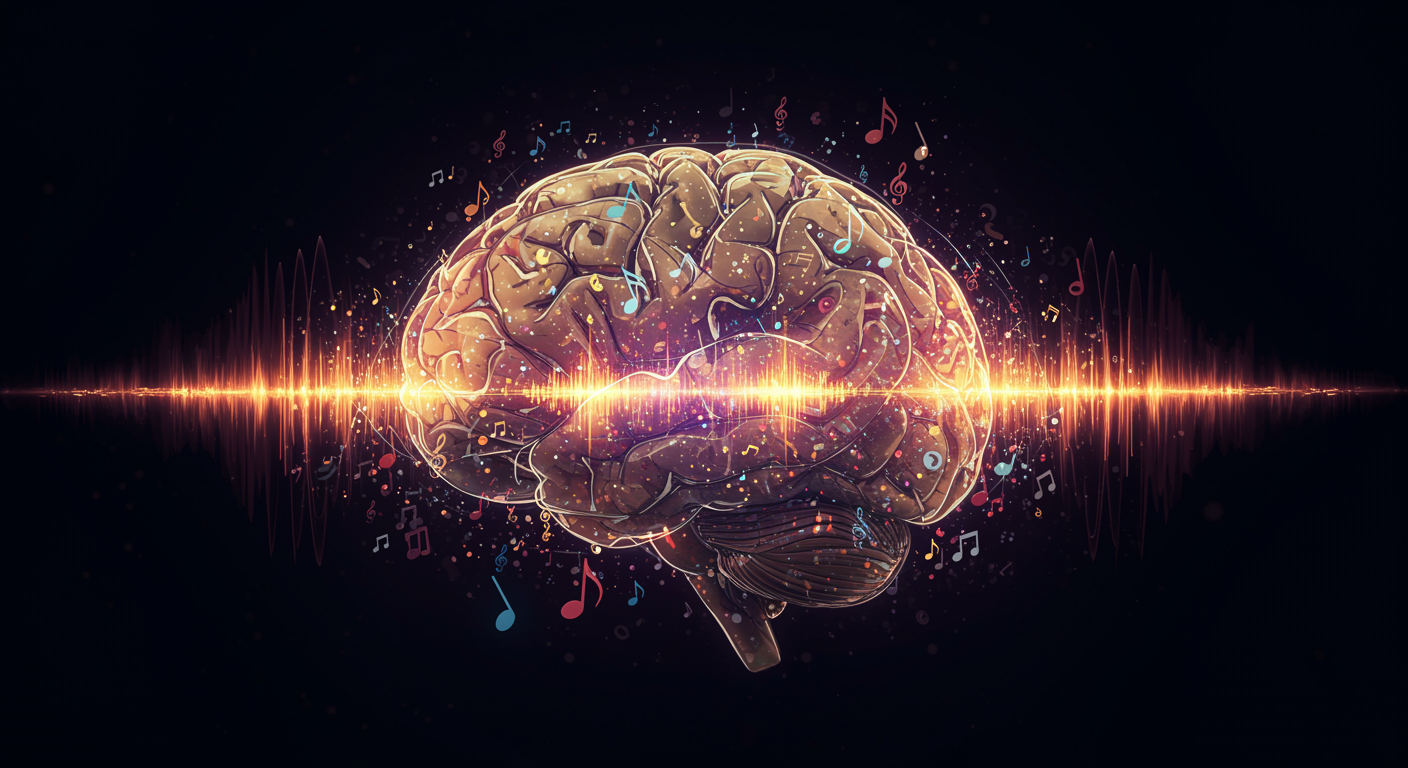
Music samples exert a profound psychological impact on listeners by tapping into a complex interplay of cognitive and emotional processes, often below the threshold of conscious awareness. They can evoke strong feelings of nostalgia, familiarity, and connection to specific cultural contexts, influencing mood, memory recall, and even shaping perceptions of an artist’s originality or intent. Indeed, it’s clear that audio samples ignite creativity throughout the production process. This subconscious influence stems from the brain’s ability to recognize patterns and associate sounds with past experiences, leading to a unique listener experience that is both personal and widely shared.
Emotional Resonance and Nostalgia Triggers
The psychological impact of music samples on listeners is most vividly demonstrated through their capacity to trigger deep emotional resonance. When a listener encounters a recognizable sample within a new track, it often creates an immediate emotional bridge to the original source material. This connection can evoke powerful feelings of nostalgia, transporting the listener back to a specific time, place, or emotional state associated with the original song. The familiarity provides comfort and a sense of belonging, making the new piece of music instantly more approachable and engaging on an emotional level.
Beyond simple recognition, the emotional weight carried by certain samples can be substantial. A melody, drum beat, or vocal snippet from a beloved track might carry years of personal memories and collective cultural significance. When recontextualized, these samples inject the new composition with a pre-existing emotional valence, influencing the listener’s mood and perception. For instance, a sample from a universally cherished classic can imbue a contemporary track with an instant feeling of warmth or melancholic reflection, enhancing the overall psychological experience of the music.
The brain’s limbic system, particularly the hippocampus and amygdala, plays a crucial role in processing these emotional and memory-laden responses. Samples act as powerful auditory cues, activating neural pathways linked to autobiographical memories and associated emotions. This involuntary memory retrieval contributes significantly to the psychological impact, allowing the sampled music to bypass purely analytical listening and directly access deeper emotional layers. The power of a sample, therefore, lies not just in its sound, but in the entire tapestry of feelings and memories it conjures for the listener.
Cognitive Processing of Sampled Audio
Listeners’ brains engage in sophisticated cognitive processing when encountering music samples, distinguishing between familiar and unfamiliar elements, and integrating them into a cohesive auditory experience. The initial detection of a sample often involves rapid pattern recognition, where the auditory cortex attempts to match incoming sound patterns with existing musical schemata stored in long-term memory. This process can be conscious, leading to an “aha!” moment of recognition, or operate subconsciously, where familiarity influences perception without explicit identification.
The novelty-familiarity paradox is central to understanding the cognitive processing of samples. While listeners are drawn to novelty and originality in music, there is also a strong preference for familiarity. Music samples skillfully navigate this tension by presenting familiar elements within a novel context. This creates a sense of accessible complexity, where the brain is simultaneously engaged in processing new musical information and reinforcing existing neural pathways associated with the sampled material. This dual processing can enhance cognitive engagement and increase the perceived enjoyment of the track.
Furthermore, the way samples are integrated significantly impacts cognitive processing. Seamlessly interwoven samples might be perceived as an integral part of the new composition, contributing to its texture and harmony. In contrast, prominent or heavily manipulated samples might encourage listeners to actively deconstruct the music, identifying the source and analyzing its transformation. This active cognitive engagement can deepen the listener’s appreciation for the artist’s creativity and the intricate art of sampling, demonstrating a complex psychological impact that transcends simple listening.
Identity Formation and Cultural Context
Music samples play a vital role in identity formation and connecting listeners to broader cultural contexts. The choice of samples often reflects an artist’s influences, genre allegiances, and cultural heritage, which in turn resonates with listeners who share similar backgrounds or aspirations. For individuals, identifying with music that incorporates specific samples can reinforce their sense of belonging to a particular subculture, generation, or artistic movement. This creates a powerful shared experience, fostering community and collective identity among fans.
Samples also act as cultural signifiers, carrying layers of meaning derived from their original context. A sample from a specific era or genre can instantly evoke the aesthetics, social climate, and artistic values of that period. Exploring the historical impact of sampling lesser-known genres reveals how these sonic artifacts shape our understanding of musical lineage. Listeners who resonate with these cultural echoes find a deeper connection to the music, seeing it as an extension of their own cultural identity or an exploration of a desired one. This process is particularly evident in genres like hip-hop, where samples are not merely musical elements but potent cultural statements, referencing a rich lineage of music and storytelling.
Moreover, the recontextualization of samples can challenge or reinforce existing cultural narratives. Artists may use samples to bridge generational gaps, pay homage to predecessors, or critically comment on historical events and social issues. Listeners, in turn, engage with these cultural dialogues, interpreting the sampled material through their own lenses of experience and identity. This dynamic interplay between the sample, the new composition, and the listener’s cultural framework highlights the profound psychological impact samples have on shaping individual and collective identities within the ever-evolving landscape of music.
The Subconscious Influence of Familiarity
The psychological impact of music samples often operates on a subconscious level, particularly through the principle of mere exposure. This phenomenon suggests that repeated exposure to a stimulus, even without conscious recognition, can lead to an increased liking for it. In the context of samples, subtle or heavily processed snippets from popular or lesser-known tracks can permeate a listener’s auditory landscape, fostering a subconscious sense of familiarity and comfort, which subsequently enhances their preference for the new composition.
Even if a listener cannot explicitly identify the source of a sample, the embedded familiarity still exerts an influence. The brain registers the pattern, texture, or melodic contour, creating a subtle sense of ease and predictability within the new musical environment. This pre-existing cognitive comfort can make a track feel more accessible and enjoyable on a visceral level, bypassing analytical thought. The absence of explicit recognition allows the sample to exert a pervasive, yet unacknowledged, psychological pull, drawing listeners in without them knowing precisely why.
This subconscious influence is a powerful tool for artists and producers. By strategically incorporating elements that resonate on an almost subliminal level, they can cultivate an immediate connection with an audience. This means that a sample doesn’t always need to be overtly recognizable to be effective; its power can lie in its ability to create a foundation of subtle familiarity upon which new musical ideas are built. The psychological impact here is about creating a sense of “already knowing” or “feeling comfortable with” the music, even if the specifics remain elusive.
Commercial and Artistic Implications
The psychological impact of music samples extends significantly into the commercial and artistic realms, shaping how music is created, consumed, and marketed. From an artistic perspective, samples offer a rich palette for creative expression, allowing producers to weave together disparate sounds, genres, and eras into something entirely new. This act of musical alchemy can demonstrate an artist’s ingenuity, cultural literacy, and ability to recontextualize existing material, appealing to listeners who value innovation and intertextuality in music. The psychological appeal lies in the intellectual engagement and discovery of these layered meanings.
Commercially, the strategic use of recognizable samples can be a potent marketing tool. A well-placed sample from a widely loved song can instantly grab a listener’s attention, generating buzz and facilitating virality. This “hook” leverages existing positive associations, making the new track immediately more appealing and memorable. The psychological effect here is one of instant recognition and the transfer of positive affect from the original work to the new one, potentially increasing streams, sales, and overall reach for the artist.
However, these implications also raise ethical considerations regarding intellectual property and transformative use. While samples offer immense creative potential, their commercial exploitation often necessitates navigating complex legal frameworks. Understanding music sample legal clearance is crucial for producers to avoid potential issues. The debate surrounding ownership, fair use, and artistic appropriation itself influences the psychological perception of sampled music, with listeners often forming opinions based on their understanding of the artist’s intent and adherence to ethical sampling practices. This adds another layer to the psychological impact, engaging listeners in broader discussions about creativity and ownership in the digital age.
Manipulating Perception Through Sample Selection
The choice of music samples is far from arbitrary; it is a deliberate act of manipulating listener perception to evoke specific feelings, narratives, or aesthetic experiences. Producers meticulously select samples not just for their sonic qualities but for the psychological associations they carry. For those looking to refine their sound, exploring advanced acoustic sample manipulation can unlock new creative avenues. A bright, percussive sample might inject energy and excitement, while a melancholic vocal snippet could instantly create a sense of introspection or sadness. This strategic selection allows artists to guide the listener’s emotional journey, shaping their interpretation of the track.
Beyond direct emotional cues, samples can be used to construct a narrative or build tension. A slowly unfolding orchestral sample might signal an impending climax, while a sudden, jarring cut can create an element of surprise or unease. These psychological tools are employed to manage listener expectations and maintain engagement throughout the composition. The interplay between the familiar and the unexpected, facilitated by intelligent sampling, creates a dynamic listening experience that constantly stimulates cognitive and emotional responses.
Furthermore, samples can subtly influence the perceived genre or artistic intent of a track. Incorporating elements from a specific musical tradition can instantly place a new song within a certain cultural lineage, even if its other components deviate significantly. This chameleon-like ability of samples to color perception allows artists to experiment with genre blending and defy traditional classifications, prompting listeners to broaden their musical horizons. The psychological impact here is about expanding the listener’s frame of reference and inviting them into a more nuanced understanding of musical expression.