The role of rare samples in hip-hop production is paramount, serving as a cornerstone for creativity, uniqueness, and the genre’s continuous evolution. Indeed, the right audio samples ignite creativity, infusing tracks with distinctive sonic textures, unexpected melodic hooks, and rhythmic nuances that elevate a beat beyond the conventional. This meticulous search for uncommon sounds not only crafts a signature aesthetic for artists but also acts as a vital bridge to musical history, recontextualizing old recordings for new generations and ensuring hip-hop’s enduring legacy as a transformative art form.
The Quest for Unique Sonic Textures
In the competitive landscape of modern hip-hop production, the pursuit of rare and obscure samples is a fundamental driver for producers seeking to differentiate their sound. Unlike readily available sample packs or popular breaks, these hidden gems provide a canvas for truly unique creations, avoiding the pitfall of sounding generic or repetitive. Producers delve into vast archives of forgotten music, driven by an insatiable desire to unearth sounds that possess a certain character, warmth, or unexpected complexity. This relentless quest for rare finds highlights the broader challenge of finding samples for music production, whether through crate digging or digital exploration. This dedication to finding the uncommon allows for the creation of beats that are not only aurally distinct but also carry an inherent mystique, leaving listeners curious about the source of the captivating sounds they hear.
The distinct sonic qualities of rare samples often stem from their original recording conditions, vintage instrumentation, or unique cultural contexts. Analog recordings from bygone eras frequently boast a warmth and depth that modern digital recordings struggle to replicate. A crackle on an old vinyl, the specific reverb of a 1970s funk band, or the haunting melody from an obscure foreign film score can provide an emotional resonance that mass-produced sounds simply cannot. This authenticity and inherent imperfection become assets, embedding a sense of history and organic texture directly into the fabric of a hip-hop track, which is critical for establishing a producer’s signature style and sonic identity.
The Art of Crate Digging and Digital Exploration
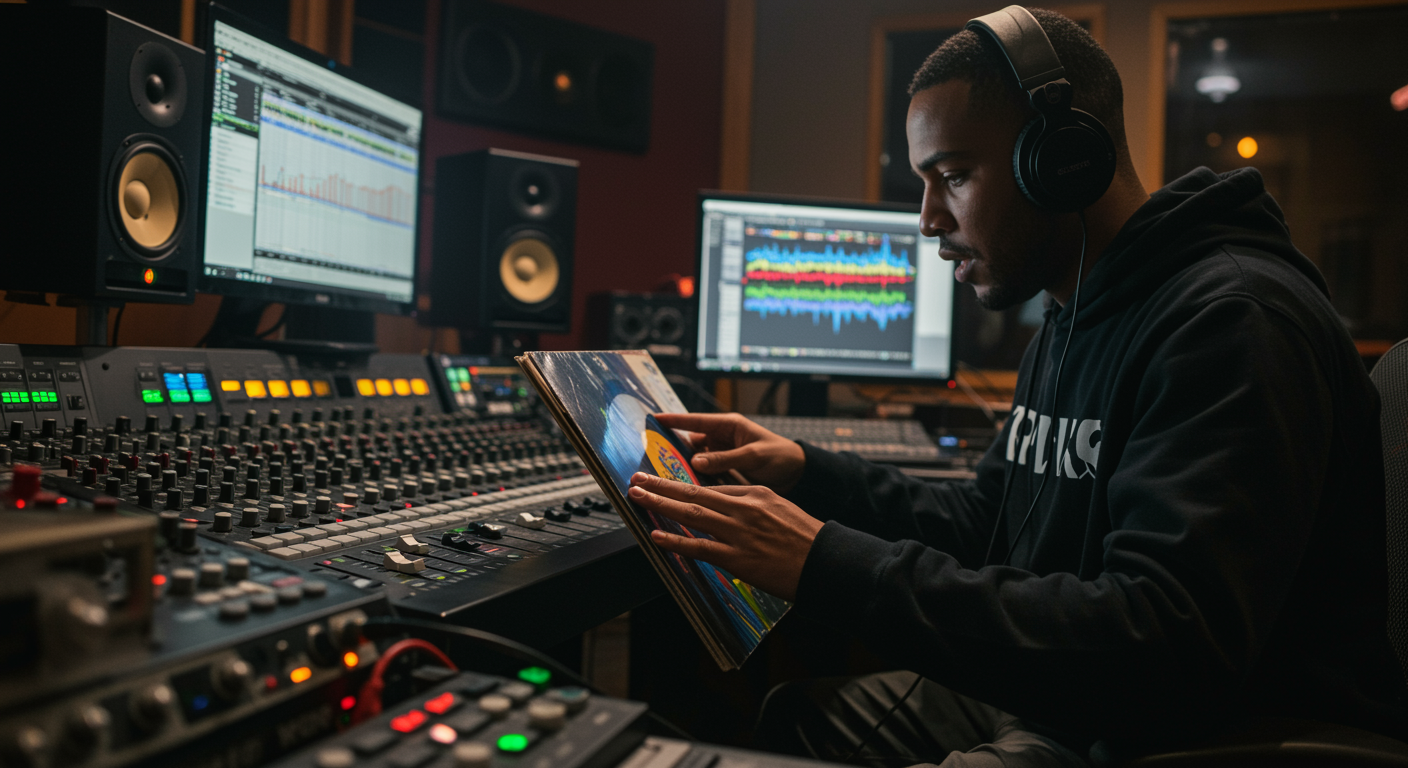
The traditional method of unearthing rare samples, known as “crate digging,” involves a meticulous, often hours-long search through record stores, flea markets, and dusty collections. This physical excavation is a ritual for many producers, who develop an acute ear for potential samples, listening for compelling drum breaks, interesting chord progressions, or distinctive vocal snippets across various genres like soul, funk, jazz, rock, and international music. The joy of discovering a truly unique record, one that hasn’t been heavily sampled before, is a significant part of the creative process and deeply contributes to the lore surrounding hip-hop production.
While physical crate digging remains a revered practice, modern producers also engage in extensive digital exploration. This involves trawling through online archives, digital music libraries, YouTube videos, and even obscure foreign streaming services. The digital realm offers access to an almost infinite repository of sounds, allowing producers to find samples from niche genres, regional music, and historical recordings that might be physically inaccessible. This blend of traditional and digital digging techniques expands the sonic palette available, enabling producers to juxtapose diverse sounds from across eras and cultures, further enriching the tapestry of modern hip-hop production.
Shaping Hip-Hop’s Sonic Identity
Rare and obscure samples have played an instrumental role in shaping the sonic identity of hip-hop throughout its history. By recontextualizing fragments of existing music, producers effectively forge new genres and subgenres, pushing the boundaries of what hip-hop can sound like. Early pioneers like DJ Kool Herc and Grandmaster Flash laid the groundwork by extending drum breaks, but subsequent generations, particularly figures like DJ Premier, Pete Rock, and J Dilla, elevated sampling into a sophisticated art form, constructing intricate musical collages from unexpected sources. Their ability to transform seemingly disparate sounds into cohesive, head-nodding beats defined eras and inspired countless others.
The distinctive character of these samples often dictates the mood and atmosphere of an entire track. A melancholic string section from a forgotten soundtrack can imbue a rap song with a profound sense of introspection, while a funky bassline from a Nigerian Afrobeat record can inject infectious energy. This transformative power means that rare samples aren’t just background elements; they are often the foundational element around which an entire composition is built. Their uniqueness ensures that the resulting hip-hop track stands out, offering listeners a fresh and engaging auditory experience that resonates deeply and expands the genre’s expressive capabilities.
Navigating the Legal Landscape of Sampling
The use of rare and obscure samples, while creatively liberating, often brings significant legal complexities into play. Copyright law dictates that using even a small snippet of an existing recording without permission can lead to infringement claims. For widely recognized samples, clearance processes are well-established, though often costly. However, with rare and obscure samples, the challenge is amplified: identifying the original copyright holder can be a formidable task, especially if the original music is decades old, from an independent label, or from an international artist whose rights are difficult to trace.
Producers and labels must often weigh the creative benefits against the potential legal risks. Some adopt strategies like extensive manipulation of samples, altering pitch, tempo, or timbre to render them less recognizable, arguing that they have created a new sound rather than merely repurposing an old one. Others operate under the radar, hoping their obscure finds will go unnoticed, a practice that carries inherent risks. The necessity of sample clearance, particularly for commercial releases, has led some artists to shift towards original instrumentation or interpolation, yet the allure of the unique textures provided by rare samples continues to drive many producers to navigate this intricate legal landscape, recognizing its integral role in hip-hop’s distinctive sound.
Pioneering Producers and Landmark Tracks
The legacy of hip-hop is rich with pioneering producers who mastered the art of sourcing and manipulating rare samples, cementing their place as sonic architects. Artists like DJ Shadow, known for his album “Endtroducing…..”, meticulously crafted entire soundscapes from thousands of obscure vinyl records, transforming forgotten sounds into cohesive, groundbreaking works. His dedication to unearthing rare breaks and melodic fragments from diverse genres showcased the profound artistic potential of sampling as a primary compositional tool, inspiring a generation of beatmakers to dig deeper.
Similarly, the late J Dilla redefined the rhythmic possibilities of sampling, often drawing from obscure jazz and soul records to create his signature “unquantized” drum patterns and soulful loops. Tracks like Slum Village’s “Fall in Love” or his solo work “Don’t Cry” exemplify his unparalleled ability to extract emotion and groove from unlikely sources, manipulating samples with a human touch that made them feel inherently new. These landmark contributions underscore how the strategic deployment of rare samples can not only create iconic tracks but also shape entire subgenres, demonstrating the transformative power that deeply researched and thoughtfully integrated sounds have on the evolution of hip-hop’s diverse sonic tapestry.
Technological Advancements in Sample Manipulation
The evolution of technology has profoundly impacted the way rare samples are acquired, processed, and integrated into hip-hop production. Early producers relied on rudimentary tools like reel-to-reel tape recorders and Akai MPCs, which, while powerful, imposed limitations on sample length and manipulation capabilities. These constraints often forced creative choices, leading to innovative looping and chopping techniques that became hallmarks of the genre’s sound. The analog warmth and distinct processing characteristics of these vintage samplers also contributed to the unique sonic qualities heard in classic hip-hop.
Modern digital audio workstations (DAWs) and advanced sampling software have revolutionized this process, offering unprecedented control and flexibility. Understanding sampler plugins is key to harnessing this power, allowing producers to seamlessly slice, stretch, pitch-shift, reverse, and layer samples with extreme precision. These intricate sample manipulation techniques are crucial for transforming raw audio into new sounds. Tools like Serato Sample or Ableton Live’s sampler allow for real-time manipulation and deeper textural exploration. This technological advancement means that even the most fleeting or imperfect rare sample can be salvaged and meticulously sculpted, broadening the creative horizons for producers and further entrenching the role of unique sound sources in contemporary hip-hop.
The Cultural Preservation Through Sampling
Beyond its creative impetus, the use of rare and obscure samples in hip-hop production serves a crucial role in cultural preservation. By extracting and recontextualizing fragments of forgotten or underappreciated music, hip-hop acts as an accidental archivist, breathing new life into recordings that might otherwise fade into obscurity. A jazz fusion track from the 1970s, an obscure psych-rock B-side, or a folk recording from a distant land, once sampled, gains a new audience and relevance, often prompting listeners to seek out the original source material. This process ensures that diverse musical histories, spanning various genres and geographies, continue to resonate within contemporary culture.
This intergenerational musical dialogue is a powerful aspect of hip-hop’s influence. Producers effectively curate a global sonic library, bridging gaps between different eras, cultures, and musical styles. A hip-hop beat built upon a rare sample introduces younger audiences to sounds they might never encounter otherwise, fostering an appreciation for musical heritage and diversity. In this way, the role of rare samples extends beyond mere sound design; it becomes a mechanism for cultural exchange and historical continuity, embedding the past into the sound of the future and solidifying hip-hop’s position as a dynamic, historically conscious art form.