
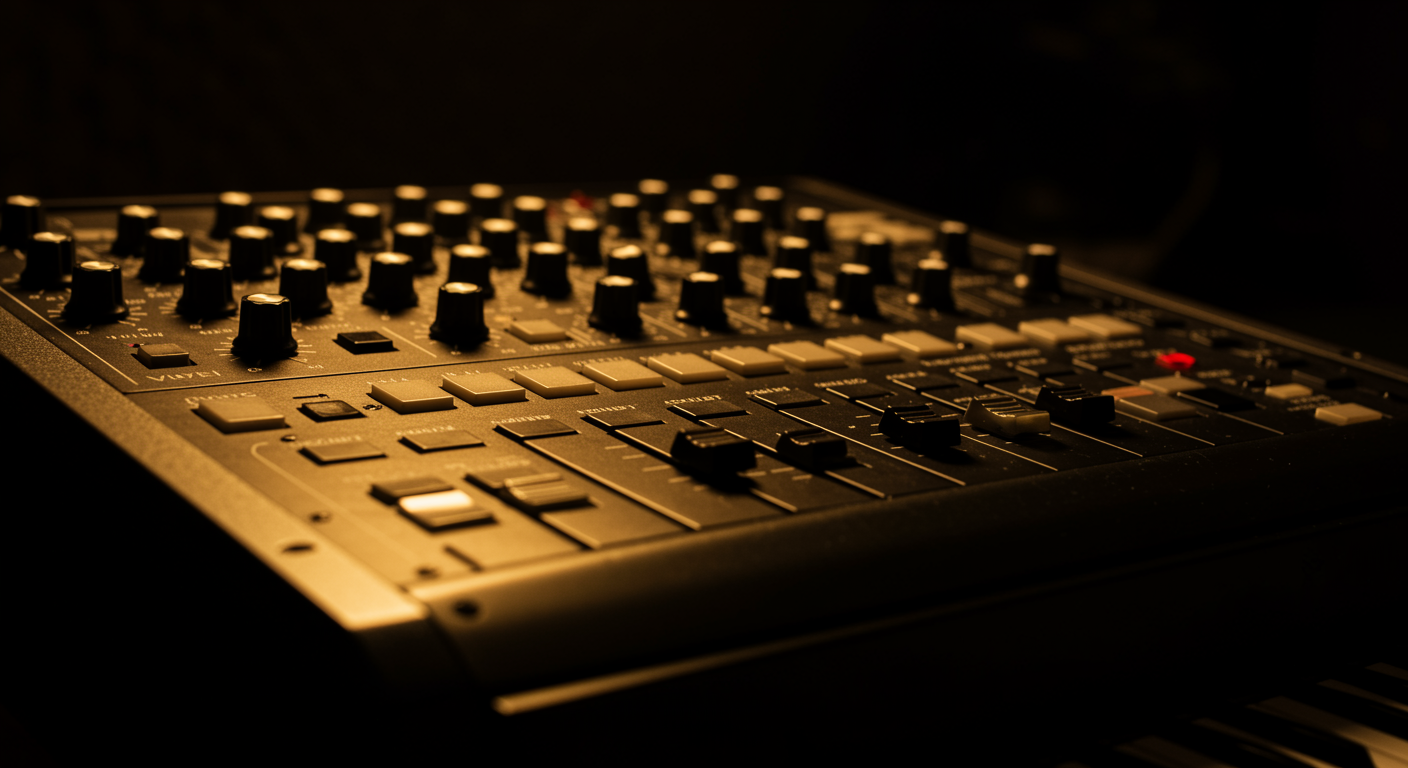
Vintage drum machine samples are indispensable in hip hop production because they carry the authentic sonic character, warmth, and grit that defined the genre’s golden era, offering producers a direct link to the foundational sounds that shaped classic beats and continue to influence modern tracks with their distinct punch and timeless appeal.
The Enduring Appeal of Vintage Drum Machines in Hip Hop
The sound of vintage drum machine samples forms the very bedrock of hip hop production, offering a unique sonic palette that contemporary digital tools often struggle to replicate. These sounds possess an inherent warmth, a distinctive punch, and a certain raw character that evokes nostalgia while simultaneously providing a robust foundation for modern beats. From the weighty thump of an 808 kick to the sharp crack of an SP-1200 snare, these samples carry a legacy, connecting new productions to the rich history of the genre. Producers are drawn to their ability to infuse a track with a sense of authenticity and a recognizable swagger that has been cherished for decades.
Beyond mere nostalgia, the appeal lies in the specific imperfections and sonic attributes inherent to the original hardware. Analog circuitry, limited bit-depth converters, and the unique synthesis engines of machines like the Roland TR series or the sampling capabilities of the Akai MPC and E-mu SP-1200 all contribute to a character that stands apart. This distinct sound profile makes vintage drum machine samples a go-to choice for producers aiming to achieve that classic boom-bap aesthetic, inject gritty texture, or simply give their drums more weight and presence within a mix. Their prominence in countless iconic tracks solidifies their status as essential tools for any serious hip hop producer.
Iconic Vintage Drum Machines and Their Sonic Signatures
Understanding the specific sonic signatures of iconic vintage drum machines is key to effectively using their samples in hip hop production. The Roland TR-808, for instance, is renowned for its deep, resonant bass drum, often imitated but rarely perfectly replicated, which provides an unparalleled low-end foundation. Its snappy snare and distinctive cowbell also contribute significantly to its unique appeal. The TR-909, while sharing some lineage, offers a more aggressive, punchy sound, with a tighter kick and crisp, metallic hi-hats, often found in more dance-oriented or harder-hitting hip hop subgenres.
The E-mu SP-1200 holds legendary status primarily for its distinct 12-bit sampling resolution, which imparts an unmistakable gritty, lo-fi character to any sound passed through it. This inherent crunchiness is highly sought after for snares, hats, and entire drum breaks, giving them an immediate vintage texture. Similarly, the Akai MPC series, while initially a sampler workstation, is celebrated for its tight timing, swing quantization, and the way it handles samples, contributing to the “MPC feel” prevalent in countless hip hop classics. Even older machines like the LinnDrum provided a more “realistic” sampled sound for its time, offering a different flavor of organic percussion that found its way into early hip hop and R&B tracks, showcasing the diverse sonic landscape these machines collectively offer for crafting compelling beats. Their prominence in countless iconic tracks solidifies the role of rare samples in hip-hop production, making them essential tools for any serious hip hop producer.
Sourcing High-Quality Vintage Drum Machine Samples
Acquiring high-quality vintage drum machine samples is a critical step for any producer aiming to integrate these classic sounds into their hip hop production. The market is rich with commercial sample packs that meticulously record and process sounds from original hardware, often offering multiple velocity layers and unprocessed raw files, allowing for maximum flexibility. Many reputable sound design companies specialize in these packs, ensuring authenticity and pristine audio fidelity. Alongside paid options, a wealth of free sample libraries exists, often curated by enthusiasts or extracted from classic records, though quality can vary, necessitating careful auditing.
Beyond pre-packaged solutions, producers can also source samples by directly recording from actual vintage hardware, either their own or through studios offering access. This method provides the purest form of the sound, allowing for custom processing and unique capture techniques. Another approach involves carefully “chopping” and re-sampling drums from old vinyl records that prominently feature these machines, a time-honored hip hop tradition. When sourcing from existing recordings, it’s crucial to understand the implications of music sample copyright laws to ensure legal compliance. When sourcing, always prioritize samples that are cleanly recorded, free of excessive noise, and offer a range of variations (e.g., open/closed hi-hats, different snare hits) to ensure versatility and a natural feel in your drum patterns. High-quality sources ensure that the inherent character of the vintage drum machine samples is preserved and translates effectively into a modern mix.
Integrating Vintage Samples for Authentic Hip Hop Beats
Seamlessly integrating vintage drum machine samples into hip hop production requires a thoughtful approach that marries classic sounds with contemporary workflow. The process typically begins by loading these samples into a digital audio workstation (DAW) or a dedicated sampler plugin. For classic hip hop authenticity, producers often opt for software samplers that emulate hardware like the SP-1200 or Akai MPC, as these can replicate the subtle nuances of pitch, filtering, and swing that were integral to the original machines. Dragging and dropping individual drum hits—kicks, snares, hi-hats, percussion—onto a MIDI track or into a drum rack allows for immediate sequencing and pattern creation.
Beyond simple placement, the magic lies in how these vintage drum machine samples are treated. Layering is a powerful technique, often involving combining a punchy 808 kick with a crisper acoustic kick for added attack, or blending an SP-1200 snare with another sample for extra body. Careful use of compression, EQ, and saturation can further shape the sound, enhancing their inherent character without destroying their vintage essence. Applying specific swing templates or manually adjusting note timing to create a humanized, laid-back groove, reminiscent of iconic MPC sequencing, is crucial for capturing that coveted hip hop bounce. The goal is to build cohesive, impactful drum patterns that feel organic and authentic, drawing on the raw power of these timeless sounds.
Processing Vintage Drum Samples for Modern Production
While the raw character of vintage drum machine samples is a primary draw, modern hip hop production often benefits from strategic processing to help them sit well in contemporary mixes. One common technique is saturation, using plugins that emulate tape or tube warmth to add harmonic richness and perceived loudness, making kicks and snares punch through without simply increasing volume. This can also gently “glue” drum elements together, creating a more cohesive drum bus. Compression is another essential tool; parallel compression, in particular, can add weight and impact to drums while preserving their dynamic range, ensuring they hit hard without sounding overly squashed.
Equalization is critical for defining the space and clarity of each drum sound. A subtle cut in the mid-range might clear mud from a vintage kick, while a boost in the higher frequencies can add crispness to hi-hats without making them harsh. Furthermore, producers often employ transient shapers to either emphasize the initial attack of a snare or lengthen the decay of a kick drum, fine-tuning their presence. For those seeking to replicate the lo-fi charm of older samplers, bit-crushing or sample rate reduction plugins can emulate the distinct aliasing and grit of machines like the SP-1200, making vintage drum machine samples feel even more authentic to their origins while still sounding polished enough for today’s high-fidelity listening environments. The key is to enhance their inherent qualities rather than completely transform them, maintaining their classic appeal.
Creative Techniques with Vintage Drum Sounds
Beyond traditional beat-making, vintage drum machine samples offer a fertile ground for creative sound design and experimental techniques in hip hop production. One powerful approach involves pitching samples up or down to create entirely new textures and percussive elements. A pitched-down hi-hat can become a unique shaker, while a pitched-up kick might serve as a subtle percussion element, adding rhythmic complexity. Reversing drum samples, especially snares or cymbals, can generate interesting transitions, swells, or atmospheric effects that contribute to the overall vibe of a track, adding an unexpected twist to familiar sounds.
Exploring alternative placements and rhythmic subdivisions can also unlock new potential. Instead of always placing a kick on the beat, try anticipating or delaying it slightly, or using a vintage kick for a counter-rhythm. Similarly, layering a vintage percussion hit with a non-traditional sound, such as a vocal chop or foley recording, can create hybrid drum elements that are both unique and impactful. Using vintage drum machine samples not just as primary drum hits but also as subtle textures, background elements, or even melodic fragments (by extreme pitching and processing) pushes the boundaries of their conventional use. This creative exploration ensures that even the most classic sounds continue to inspire fresh and innovative hip hop beats, preventing stagnation and fostering a unique sonic signature for producers.