Integrating world music instrument samples into electronic dance music productions offers a dynamic approach to enrich sonic landscapes, providing unique textures, rhythmic diversity, and emotional depth that can elevate tracks beyond conventional electronic sounds, fostering innovative genre fusions and captivating global audiences.
Sourcing Authentic World Music Instrument Samples
The foundation of effectively integrating world music instrument samples into electronic dance music lies in acquiring high-quality, authentic sounds. Producers often seek out dedicated sample packs from reputable sound designers who specialize in specific cultural instruments. These packs typically feature meticulously recorded one-shots, loops, and phrases from instruments such as the djembe, tabla, sitar, kora, bansuri, or kalimba. Beyond commercial libraries, some producers delve into public domain archives or collaborate directly with traditional musicians, ensuring both sonic fidelity and cultural respect. If you’re looking for more tips on finding samples for music production, explore our comprehensive guide. When selecting samples, attention to the recording quality, mic placement, and natural room acoustics is crucial, as these elements significantly impact how well the samples will sit within an electronic mix. Prioritizing ethically sourced samples that respect the original artists and cultures is also paramount, reflecting a conscious approach to global music integration.
Techniques for Seamless Integration into EDM
Once compelling world music instrument samples are acquired, the art lies in their seamless integration into an electronic dance music framework. Producers commonly employ various techniques to achieve this harmony. Time stretching and pitching are fundamental, allowing samples recorded at different tempos or keys to align with the EDM track’s structure. For advanced methods, check out our guide on advanced sample stretching techniques. Creative EQing can carve out space in the mix, ensuring the unique timbre of the world instrument cuts through without clashing with synths or drums. Layering is another powerful method, where subtle ambient textures from a world instrument might underpin a main melody, or percussive elements enhance an electronic beat. To boost mix richness, learn more about layering audio samples for depth. Gating, side-chain compression, and subtle saturation can further glue these diverse elements together, making the world music instrument samples feel like an inherent part of the electronic composition rather than an tacked-on addition. Experimentation with effects like reverb, delay, and modulation can also transform traditional sounds into otherworldly textures suitable for electronic genres.
Preserving Cultural Authenticity and Respect
When incorporating world music instrument samples into electronic dance music, maintaining cultural authenticity and demonstrating respect for the origin of the sounds is not just good practice but a moral imperative. This involves understanding the context, history, and cultural significance of the instruments and melodies being sampled. Avoiding stereotypical or exoticizing use of samples is crucial; instead, producers should aim for a nuanced appreciation that elevates the original source material. Researching the instrument’s traditional playing styles or the scales commonly used in its culture can inform how samples are processed or performed, leading to more genuine and compelling results. Prioritizing ethically sourced samples that respect the original artists and cultures is also paramount, reflecting a conscious approach to global music integration. Understanding music sample copyright laws is crucial for this conscious approach and fosters a more equitable exchange. Giving credit where due, through liner notes or descriptions, acknowledges the heritage and craftsmanship behind the samples, fostering a more equitable and respectful exchange within the global music community. Such mindful integration ensures that the fusion enriches both genres rather than appropriating one.
The Transformative Impact on Sound Design and Genre Fusion
The integration of world music instrument samples profoundly impacts sound design in electronic dance music, serving as a catalyst for innovative genre fusion. By introducing timbres, scales, and rhythmic patterns not typically found in conventional electronic music, producers can craft entirely new sonic identities. A traditional flute melody, when processed with modern effects and layered over a driving beat, can create a track that feels both ancient and futuristic. The nuanced attack and decay of acoustic instruments bring an organic warmth and human touch that synthetic sounds often lack, adding depth and emotional resonance. This creative cross-pollination leads to the birth of new subgenres, such as “ethno-house,” “tribal techno,” or “global bass,” where the boundaries between traditional and electronic music blur. It pushes the boundaries of what electronic music can be, expanding its expressive potential and appealing to a broader, more diverse audience seeking fresh and culturally rich auditory experiences.
Popular World Instruments Utilized in Electronic Dance Music
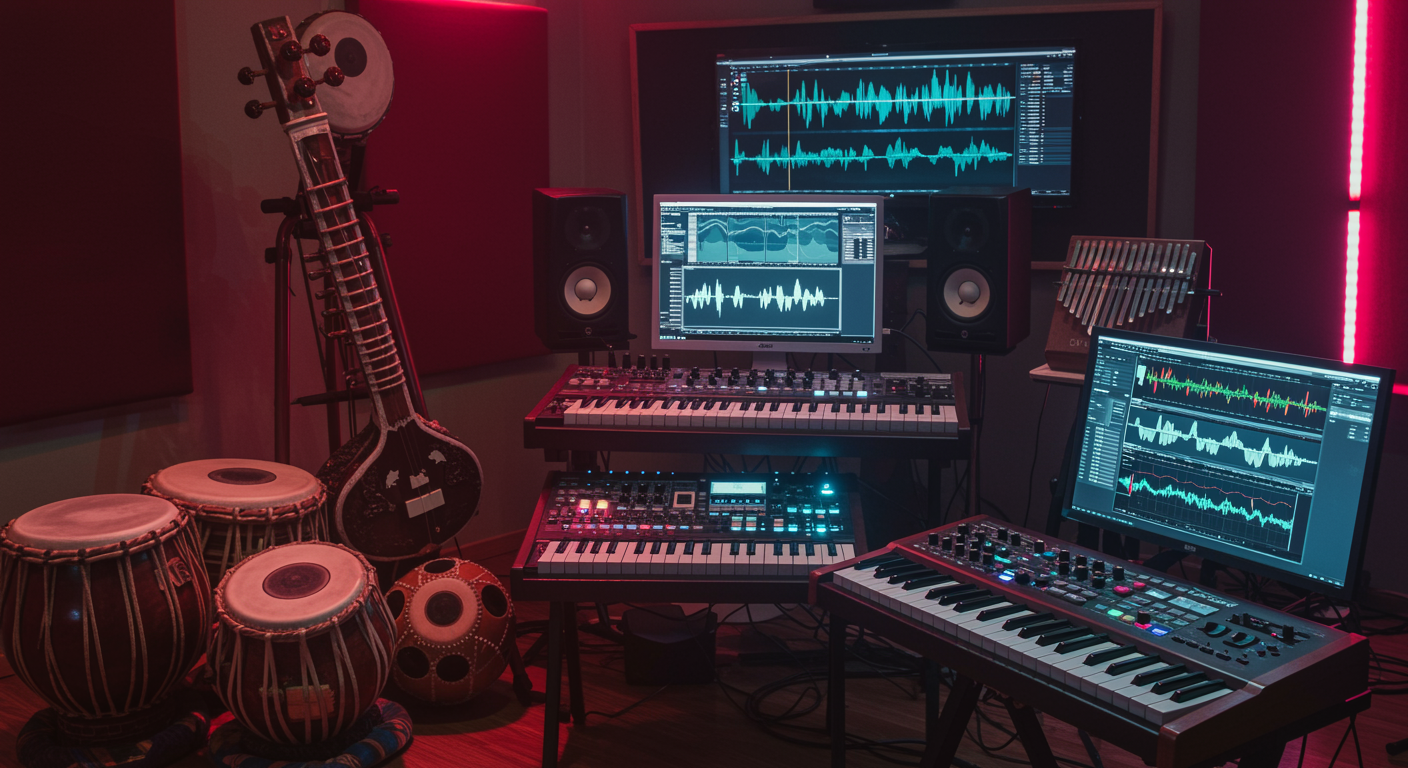
A diverse array of world music instruments has found its way into electronic dance music productions, each offering unique sonic characteristics. Percussive instruments like the djembe, tabla, conga, and frame drums are frequently used to add organic rhythmic complexity and warmth to electronic beats, often replacing or complementing standard drum machine sounds. String instruments such as the sitar, kora, oud, and erhu provide rich melodic and harmonic textures, capable of evoking exotic atmospheres or delivering intricate lead lines. Wind instruments, including the bansuri, shakuhachi, duduk, and pan flute, introduce evocative, breathy timbres that can range from serene and meditative to hauntingly melancholic. Unique instruments like the kalimba or handpan offer ethereal, bell-like tones, perfect for ambient pads or hypnotic arpeggios. Each of these world music instrument samples contributes a distinct flavor, allowing producers to craft truly global soundscapes within the electronic dance music genre.
Overcoming Production Challenges with World Samples
While integrating world music instrument samples offers immense creative potential, producers often face specific challenges in the production process. One common hurdle is dealing with samples recorded in different tempos or without a click track, requiring precise time stretching and warping to fit the EDM grid without losing their natural feel. Another challenge involves pitch and tuning; many traditional instruments use microtonal scales or different tuning systems than Western equal temperament, necessitating careful pitch correction or creative re-tuning to harmonize with electronic elements. Dynamic range can also be an issue, as acoustic recordings might have a wider dynamic spread than typically desired in compressed EDM mixes, requiring careful compression and limiting. Furthermore, fitting the often-dense frequencies of acoustic instruments into a busy electronic mix without creating muddiness demands meticulous EQing and judicious use of stereo imaging. For pro tips on mixing live instruments with electronic samples, check out our guide. Overcoming these technical obstacles is key to achieving a polished and cohesive sound, ensuring the world music instrument samples elevate the track rather than detract from it.