If you’re ready to dive into the world of home recording, you’re in for an exciting journey! With the right knowledge and tools, you can transform your creative ideas into polished tracks without ever leaving your home.
In this guide, we’ll cover everything you need to know—from essential home recording equipment like microphones and audio interfaces to practical tips for setting up your recording space effectively. We’ll also delve into common mistakes to avoid and provide insights for beginners eager to embark on their music production adventure. Whether you’re a seasoned musician seeking to refine your skills or a newcomer eager to capture your sound, these essential insights will help pave the way for your success in home recording.
What You Need to Know About Home Recording Equipment
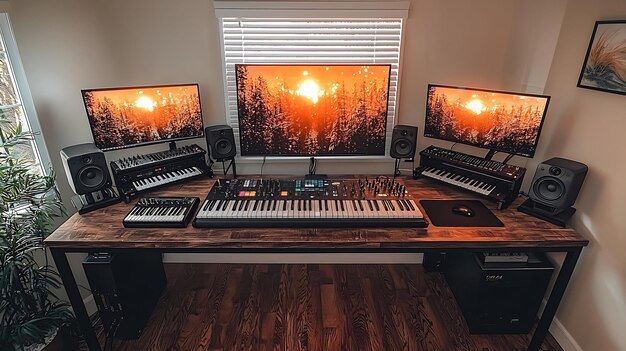
Key equipment for home recording starts with a reliable computer that has enough processing power to handle multiple tracks and plugins efficiently.
A Digital Audio Workstation (DAW) is essential for recording, editing, and mixing your music. Various options cater to different needs and budgets, from user-friendly interfaces for beginners to complex setups for seasoned pros.
Next, an audio interface connects your instruments and microphones to your computer, converting the analog signals into a digital format. Choosing the right interface can enhance sound quality and offer multiple inputs for recording several sources simultaneously.
Microphones play a critical role in capturing sound and come in various types. Dynamic microphones are known for their durability and ability to handle high sound pressure levels, making them suitable for loud sound sources like drums and guitar amps. Conversely, condenser microphones excel at capturing detailed sounds, making them ideal for vocals and acoustic instruments.
Studio monitors are indispensable for accurate sound reproduction. They offer a flat frequency response, enabling you to hear an uncolored version of your recordings, which is crucial for effective mixing and mastering.
Budget considerations are also important. While high-end gear can be tempting, quality affordable options provide excellent results, especially for beginners. Always prioritize purchasing a few essential items—like a decent microphone and audio interface—before expanding your setup.
Here’s a quick overview of essential home recording equipment:
| Equipment | Purpose |
|---|---|
| Computer | Runs DAW and processes audio data |
| DAW | Records, edits, and mixes music |
| Audio Interface | Connects instruments/mics to computer |
| Microphones | Captures sound; choose based on need |
| Studio Monitors | Offers accurate playback for mixing |
Setting Up Your Home Recording Space
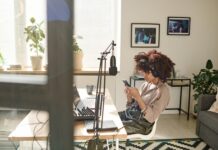
Creating a dedicated space for your home studio is vital to achieving high-quality recordings.
Begin with the orientation of your room. Position your recording setup away from windows and external walls to minimize outside noise. Ensuring that your monitors are placed symmetrically between walls can help achieve an accurate stereo image.
Quality equipment selection promotes better recordings. Invest in a few high-quality microphones tailored to your needs, along with a reliable audio interface that serves as the central hub for sound capture. These elements make a significant difference in overall sound fidelity.
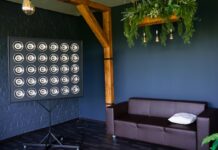
Soundproofing techniques also play a crucial role. You might consider creating a separate recording booth using heavy curtains or portable vocal booths. This approach provides a quiet space that isolates sound. Adding sound-absorbing materials, such as foam panels or carpets, can significantly reduce echoes and reverberation, enhancing your recording quality.
Implementing effective acoustic treatment isn’t just beneficial but necessary. Target first reflection points with absorption panels to manage high and mid frequencies. For small studios, addressing low-frequency response is essential; bass traps can help control these challenging areas.
Finally, crafting a comfortable and inviting atmosphere within your recording space can foster creativity. Personal touches and functional design can make your home studio not just a space for work, but a hub of inspiration.
By combining thoughtful room orientation, quality gear selection, soundproofing techniques, and acoustic treatment, you’ll create an environment conducive to great music production.
Home Recording Techniques and Tips
Understanding microphone placement is pivotal for capturing the best sound. When positioning microphones, consider the distance and angle relative to the sound source. For vocals, placing the microphone about six inches away provides clarity while minimizing plosive sounds. For instruments like acoustic guitars, positioning the mic near the 12th fret often yields a balanced tone.
Managing room acoustics will further enhance your recordings. If you can, try not to record in bare rooms; added furniture can help diffuse sound. For small spaces, using mics with a directional pattern can reduce room noise. Additionally, strategic placement of acoustic panels at reflection points will absorb excess reverberation, leading to cleaner tracks.
Simultaneous recording of instruments like guitar and vocals requires careful mic arrangement. A large-diaphragm condenser mic can pick up vocal nuances while a small-diaphragm condenser captures the guitar’s details. This combination can create a rich sound if set up correctly.
Basic understanding of mixing and mastering principles is essential, too. Equalization (EQ) can help carve out space in a mix. Start by cutting frequencies that muddy the sound—typically around 200-400Hz for vocals. Compression can also add clarity; a ratio of 2:1 to 4:1 helps maintain vocal dynamics while keeping levels consistent.
Here’s a quick list of recording techniques to remember:
Microphone Placement: Experiment with distance and angle for optimal sound capture.
Manage Acoustics: Use furniture and acoustic panels to reduce unwanted reflection.
Simultaneous Recording: Utilize different types of microphones for vocals and instruments.
Mixing Basics: Apply EQ to clean up the mix and compression to control dynamics.
Effective recordings don’t necessarily require a sound engineer. With practice and awareness of these techniques, home recordists can produce music that shines.
Common Home Recording Mistakes to Avoid
Recording at home can be a fantastic journey, but it’s essential to steer clear of common pitfalls that can compromise sound quality and creativity.
Checking recording levels is critical to prevent clipping and distortion, which can ruin your takes. Aim for a balanced signal that provides enough headroom for dynamic performances without causing unwanted distortion.
Proper mic placement cannot be overlooked. Experimenting with positioning can drastically improve the quality of the sound captured.
Another common mistake is overcomplicating your setup. While it’s tempting to take advantage of all available tools, simpler setups often yield more spontaneous and creative results.
Neglecting acoustic treatment is a significant error as well. Poor acoustics can lead to unwanted reflections or muddiness, making the final product less polished. Dedicate time to understanding how sound behaves in your space and treat accordingly.
Additionally, regular maintenance of your equipment is vital. Dust accumulation or loose connections can alter the performance of microphones and interfaces, affecting sound quality.
Lastly, embrace the learning process. Recording is an evolving skill; ensure that you consistently seek to improve through practice and research. Avoiding these mistakes will enhance your overall experience and results in your home studio.
Home Recording for Beginners
Home recording has surged in popularity, attracting both novice and experienced musicians due to its affordability, flexibility, and comfort.
For beginners, starting with essential equipment is crucial. A basic setup typically includes a quality microphone, an audio interface, and a computer with recording software.
Investing in a good audio interface enhances sound fidelity, while a reliable microphone is key to capturing vocals and instruments accurately.
Studio monitors and headphones are also important for achieving accurate sound playback.
Here are some recommended starting pieces of equipment:
- USB Microphone: Ideal for straightforward setups and vocals.
- Compact Audio Interface: Look for one with at least two inputs for flexibility.
- Headphones: Closed-back models provide isolation, important for recording.
- DAW (Digital Audio Workstation): Choose user-friendly options that suit your style.
As you gain experience and confidence, gradually expand your setup.
Additionally, online resources offer invaluable support. Engaging with tutorials and community forums can be a game-changer.
These platforms help beginners navigate challenges and learn new recording techniques.
Embrace the learning journey and remember: creating music at home isn’t just about the equipment; it’s about personal expression and the joy of making art.
In conclusion, navigating the world of home recording can be both exhilarating and daunting for beginners.
Understanding the basics is essential for setting up a home studio that aligns with your creative vision.
Investing in the right equipment, such as microphones and audio interfaces, is crucial for achieving high-quality sound, while choosing the right software enhances the overall recording process.
Moreover, mastering recording techniques, especially for vocals and instruments, is vital for producing polished tracks.
Don’t overlook the importance of creating an optimal environment, as effective soundproofing and acoustic treatments significantly contribute to sound quality.
Ultimately, what you need to know about home recording involves a blend of knowledge, creativity, and patience.
By embracing these fundamentals, you can establish a versatile home studio that fosters your musical journey and allows your creativity to flourish.
FAQ
Q: What essential equipment do I need for home recording?
A: You should have a computer, digital audio workstation (DAW), audio interface, microphones (dynamic and condenser), studio monitors, and headphones for effective home recording.
Q: How do I set up my home recording space effectively?
A: Position your room with monitors at ear level and symmetrically placed. Use acoustic treatment to manage sound and ensure a quiet environment for recording.
Q: What types of microphones are best for home recording?
A: Large-diaphragm condensers are versatile for vocals and instruments, while small-diaphragm condensers are ideal for capturing details. Dynamic mics are durable for louder instruments.
Q: Why is acoustic treatment important in a home studio?
A: Acoustic treatment reduces unwanted echoes and enhances sound quality by managing reflections and standing waves, which is crucial for achieving professional sound recordings.
Q: How can I manage low-frequency response in my recording space?
A: Employ bass traps in corners, ensure proper mic placement away from reflective surfaces, and use a balanced mix of absorptive and diffusive materials.
Q: What should I consider when choosing an audio interface?
A: Look for high-quality preamps, low latency, multiple input/output options, and compatibility with your DAW to ensure smooth recording and playback.
Q: What are some basic techniques for recording vocals?
A: Focus on mic placement to capture clear sound and minimize room noise. Consider using pop filters to reduce plosive sounds during vocal recordings.
Q: How do I prepare tracks for mixing in a home studio?
A: Clean and organize your files in the DAW, label tracks, and ensure that all necessary edits are complete for a smooth mixing process.
Q: Can I achieve quality recordings without professional gear?
A: Yes, while professional gear enhances sound, great results can come from quality entry-level equipment combined with informed techniques and acoustic treatment.
Q: Why is continuous learning important in home recording?
A: The journey to refine your craft involves exploring new techniques and tools, which leads to personal growth and improvement in your music production skills.